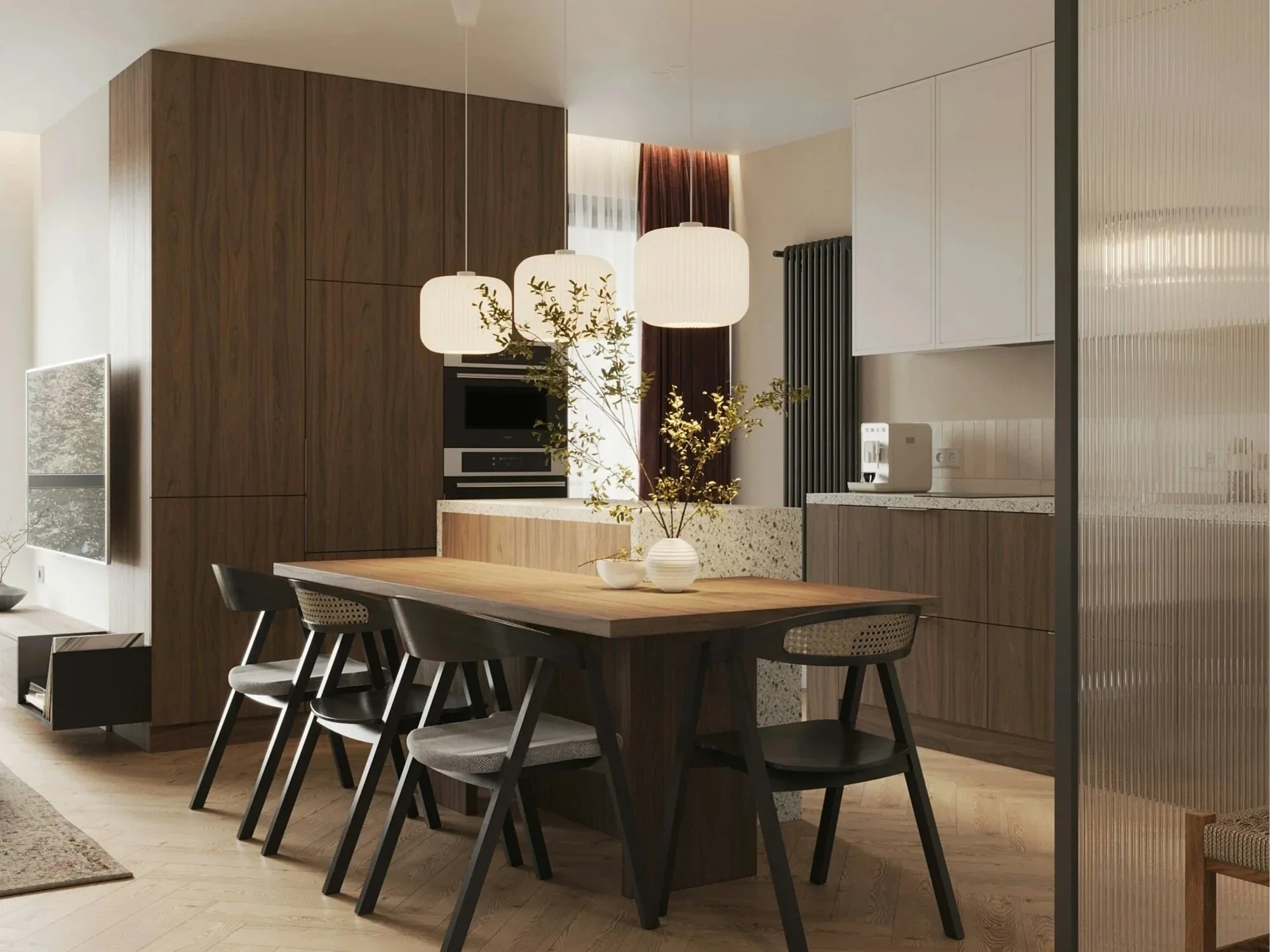
How Much Does It Cost to Hire an Interior Designer? (UAE, India & U.S. Pricing Guide)

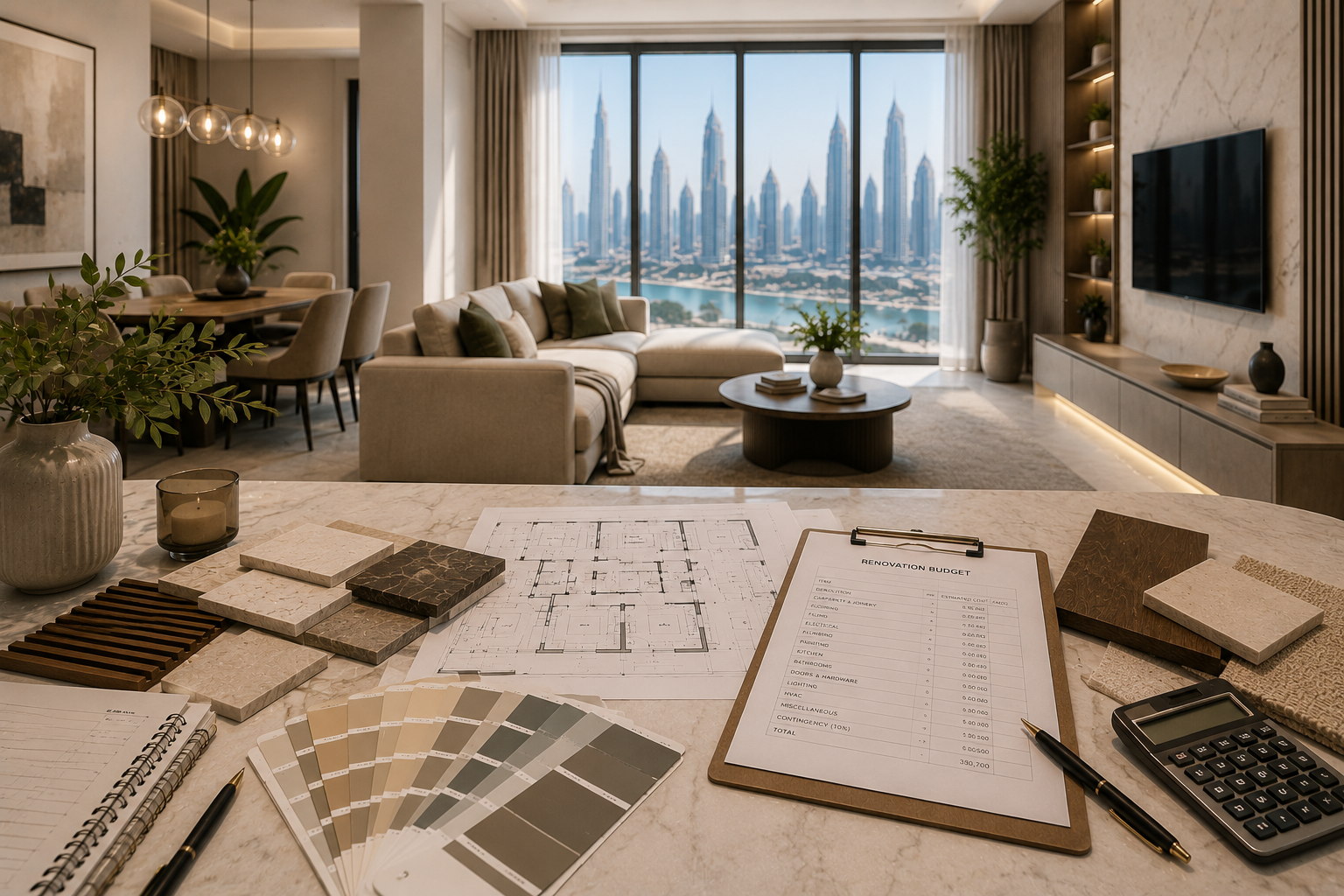
One of the most common questions I’m asked is: How much does it cost to hire an interior designer?

The answer varies depending on the scope of the project, the level of service required, and the experience of the designer. Interior design fees can also vary significantly across different countries and markets.

After more than two decades of global experience working on residential and commercial projects in India, the UAE, and the United States, I’ve seen firsthand how pricing structures differ between regions and project types.

Understanding the true interior designer cost requires looking beyond hourly fees. It involves considering the planning, technical drawings, coordination, and design expertise required to transform a space successfully.

In this guide, I’ll explain the typical interior design fee structures used in the UAE, India and the United States, based on my professional experience working in these markets.


Interior Designer Cost Summary

Below is a general comparison of common fee structures across the regions where I have practiced.

Region. Typical Fee Structure

UAE 10-15% Of project cost or Flat Fee

India 10-15% Of project cost or Flat Fee

United States $75-$250 per hour or 10-15% of project cost


Interior design fees can vary depending on the designer’s experience, project size and complexity.


Typical Interior Design Fees in Dubai (UAE)

Having practiced as an Interior Designer in Dubai and Sharjah for over 12 years, and completed more than 75 residential and commercial turnkey projects, these are the two pricing systems I most commonly used.

1. Percentage of the Project Cost

A percentage-based fee structure is very common for renovation or turnkey projects.

Typical structure:

  • 8%–10% of the project value for design consultation

  • 8%–10% of the project value for project management

This method ensures that when the project scope or budget changes—thereby increasing the designer’s workload—the designer is compensated accordingly.


2. Flat Fee Based on Area

Flat fees are often calculated using a per-square-meter rate based on the expected project budget.

The rate varies depending on:

  • project scope

  • expected material quality

  • level of customization

Higher-end projects typically require more time, coordination, and detailing.

Example Calculation

This example reflects a project where civil work and construction are included.

If the project only includes furnishings, the client's budget may be lower.

Example:

Client furnishing budget = AED.50,000

Design fee at 10%–15% would be:

AED.5,000 – AED.7,500

With this model, the designer’s fee remains fixed even when minor changes occur in the project scope. However, if there is a substantial increase in work, the Interior Designer’s fee should be renegotiated. This clause should always be included in the design contract.

The rates and percentages mentioned above generally apply to mid-range projects. For high-end or luxury projects, these rates can be significantly higher.


Typical Interior Design Fees in India

Interior designers in India often follow similar pricing structures.

The most common method is a percentage-based fee, typically ranging between:

8% – 15% of the project cost

The exact percentage often depends on:

  • the city

  • the scale of the project

  • the complexity of construction work

  • the level of customization

Luxury projects and turnkey execution services may involve higher percentages due to the level of design development and contractor coordination required.

Typical Interior Design Fees in the United States

Interior Designers in the United States generally charge using either hourly rates or a percentage of the project cost.

For my projects in the U.S., the fee structure generally falls within these ranges:

  • Hourly rate: $75 – $125 per hour

  • Percentage of project cost: approximately 10% – 12%

The pricing model typically depends on the size and complexity of the project.

For example:

Both models are designed to reflect the level of involvement required—from concept development to final installation.

According to industry organizations such as the American Society of Interior Designers and consumer platforms like Houzz and Decorilla, Interior Designer costs in the United States can vary widely depending on experience, project complexity, and geographic location.


What You Actually Get When You Hire a Designer

Many people assume hiring a designer simply means getting help choosing furniture or paint colors. While those decisions are part of the process, the work actually begins much earlier.

A comprehensive design service typically includes:

  • Concept development and mood boards to establish the design direction

  • Space planning to ensure the layout works efficiently

  • Technical drawings such as plans, elevations, and custom joinery details

  • 3D renderings to visualize the final outcome before construction begins

  • Material and finish selection including flooring, lighting, and surfaces

  • Furniture sourcing and procurement

  • Coordination with contractors and consultants

  • Weekly site visits to review progress and ensure the design is executed correctly

Final styling and staging are often treated as a separate service, depending on the project.

This process allows decisions to be made early, reduces uncertainty during construction, and ensures every element of the space works cohesively.


Why Design Expertise Matters

Interior design sits at the intersection of architecture, spatial planning, materials, and lifestyle considerations.

Every design decision has both technical and visual implications.

A well-designed space should:

  • function efficiently

  • feel comfortable and intuitive to live in

  • reflect the client’s lifestyle

  • maintain cohesion throughout the home

Without thoughtful planning, even a beautiful home can end up feeling awkward or inefficient.


A Real Example From One of My Projects in Dubai

A project I worked on in Mira Villas in Dubai is a good example of how thoughtful design decisions can transform a space.

The clients had a relatively small living room—approximately 5 meters by 4 meters. With the existing layout and a standard window facing the outdoor area, the room felt quite confined.

Instead of keeping the window, I recommended installing French doors that opened directly to the outdoor space.

This achieved two important results:

  1. Increased natural light, making the room feel brighter and more spacious.

  2. Visually connected the indoor and outdoor areas, creating the illusion of a larger living space.

By integrating the exterior garden area with the interior, the room felt significantly more open and usable. While this change required obtaining the appropriate permits, my clients agreed it was well worth it. The modification enhanced the overall appeal of the property and contributed to an increase in its value.

This example illustrates an important point: sometimes a relatively small design decision can dramatically change how a space is experienced.


What Factors Affect the Cost of Hiring an Interior Designer?

The cost of hiring an interior designer can vary significantly depending on several factors.

Project Size

Larger homes or commercial spaces typically require more design development, drawings, and coordination.

Scope of Work

Projects involving civil work, custom cabinetry, lighting design, and renovations require more work than projects focused only on furniture selection.

Designer Experience

Designers with extensive portfolios and years of experience often charge higher fees due to their ability to solve complex design challenges.

Level of Customization

Custom furniture, bespoke millwork, and imported materials require additional design development and coordination.

Construction vs Furnishing Projects

Full renovations involving contractors, civil work, and permits require significantly more design documentation and project management.


Is Hiring an Interior Designer Worth It?

In many cases, hiring a designer can actually save money in the long run.

Thoughtful planning helps avoid costly mistakes such as:

  • incorrect furniture sizes or layouts

  • poorly placed lighting

  • mismatched materials

  • inefficient use of space

  • expensive construction changes

Moreover, having a design professional coordinate with contractors can save homeowners significant time and stress. Designers help guide clients through the entire process while ensuring both functionality and aesthetics are achieved.

When design decisions are made early and documented clearly, projects tend to run far more smoothly.


Frequently Asked Questions About Interior Designer Costs

Is hiring an interior designer expensive?

Not necessarily. Interior designers work with a wide range of budgets. Many clients find that hiring a designer actually saves money by preventing costly mistakes during construction or furniture purchases.

Do interior designers charge hourly or per project?

Interior designers typically charge using one of three models:

  • hourly rate

  • flat design fee

  • percentage of the project cost

The pricing structure usually depends on the size and complexity of the project.

Can an interior designer increase property value?

Yes. Well-planned layouts, better lighting design, and thoughtful material selection can improve both functionality and visual appeal. In many cases, these improvements can also increase property value.

When should you hire an interior designer?

The best time to hire a designer is at the beginning of a renovation or construction project. Early design planning helps avoid expensive changes later in the process.

The Real Value of Design

Ultimately, the cost of hiring an interior designer is not just about selecting finishes or styling a room. It’s about bringing expertise to the entire process—from concept to completion.

Good design improves:

  • how a space functions

  • how it feels to live in

  • and often how it performs as a long-term investment

For homeowners and developers alike, that combination of planning, technical knowledge, and creative vision is where the true value lies.


Disclaimer

The pricing structures discussed in this article are based on my personal experience working on residential and commercial interior design projects in the UAE, India, and the United States. Interior design fees can vary widely depending on the designer’s experience, project scope, location, and market conditions. These examples are intended to provide general guidance and may not reflect the exact pricing used by every design professional. Readers should verify current market rates and consult with designers directly when planning a project.


Ready to Start Your Project?

If you’re planning a renovation, building a new home, or simply looking for professional design guidance, working with an experienced designer can make the process smoother and more enjoyable.

Contact us to discuss your project and explore how we can help bring your vision to life.