
What Are the Most Important Measurements an Interior Designer Needs?
Interior design is not only about aesthetics. Behind every well planned home is a foundation of accurate measurements that determine how a space functions, flows, and feels. From circulation and furniture proportions to custom kitchens and lighting placement, measurements influence every design decision that follows. According to the American Society of Interior Designers (ASID), thoughtful space planning and accurate documentation are fundamental to successful interior design projects. After 22+ years of experience across residential and commercial interiors, I have learnt that measurements are not just technical details. They are the framework that shapes the success of a project.
Why Accurate Measurements Matter in Interior Design
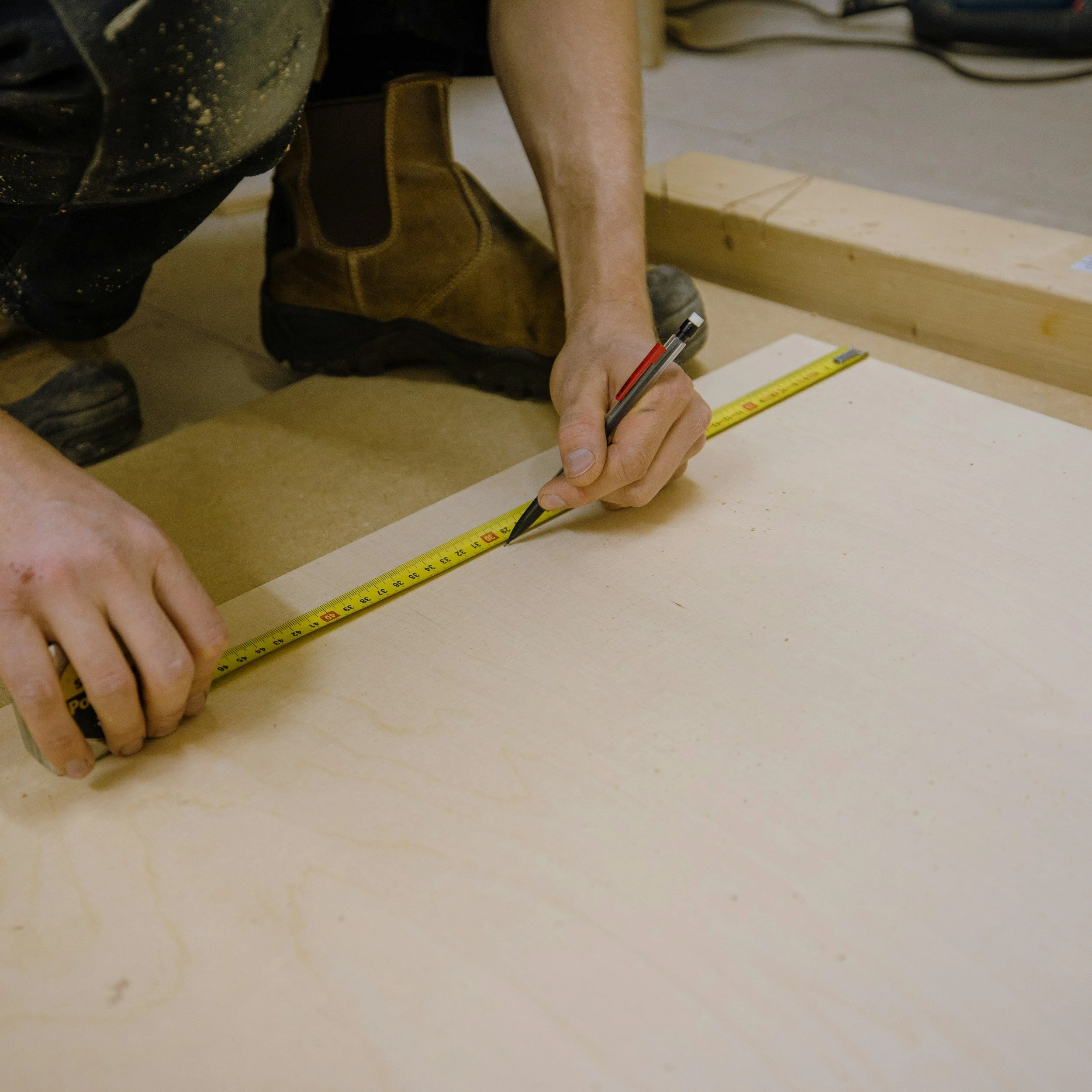
There actually is not just one important measurement in a project. Every measurement matters. Accurate site measurements are the first and most important step of interior design because they determine the scale, proportion, circulation, and functionality of a space. If measurements are incorrect, it creates a domino effect where every selection afterward can also become incorrect, from furniture sizes and lighting placement to cabinetry and architectural details.
Before I begin planning any room, I carefully document the entire space methodically. I usually start from one corner of the room and work clockwise or anti-clockwise, measuring everything from walls and windows to door openings, ceiling heights, switches, and outlets. The goal is not only to draw the room accurately, but also to understand how the space will function once designed. This level of precision becomes even more important in refurbishment and decoration projects where rewiring may not be included in the scope. Existing outlets and switch placements must be considered carefully during furniture layouts and space planning. I also believe in thoroughly documenting a space through photographs and videos during site measurements. These visual references become extremely valuable throughout the design process because they help capture details that may otherwise be overlooked onsite. Elements such as natural lighting, architectural conditions, ceiling beams, existing finishes, switch locations, and construction details are much easier to reference later through visual documentation.
If you are planning a renovation or redesign project, our Interior Design Services include detailed spatial planning, technical drawings, and site coordination to ensure every element is planned accurately from the start.
The Most Overlooked Measurements Homeowners Forget
One of the most overlooked measurements in interior design is the main entrance door opening. Many homeowners focus on whether furniture fits inside the room, but forget to check whether it can actually fit through the main entrance. Before ordering a sofa or large furniture piece, it is important to know the opening width both with and without the door frame, especially if the frame will be replaced during renovation. I always recommend checking the package dimensions with the furniture supplier before finalizing an order. A beautiful sofa that cannot enter the home becomes a very expensive problem.
Another commonly overlooked detail is the placement of existing electrical outlets and switches. In projects where walls are not being opened or rewired, these existing points significantly influence furniture layouts and functionality. Accurate measurements help avoid situations where furniture blocks outlets or leaves awkward visible wiring.
Why Designers Measure a Space More Than Once
One of the biggest misconceptions about interior design is that measurements only need to be taken once. In reality, measurements evolve throughout the course of a project, especially during renovations. For example, when designing modular kitchens imported from Italy or Germany, measurements need to be accurate down to the millimeter. There is very little room for error because custom pieces cannot simply be adjusted onsite. If even one cabinet dimension is incorrect, parts may need to be reordered, costing the client both time and money.
In these situations, I usually measure the site multiple times throughout the project:
Initial measurements of the existing kitchen before design begins
A second measurement after demolition or removal of existing cabinetry
Final measurements after refinishing walls or constructing new walls
Only after these final dimensions are verified are the drawings adjusted and sent for production. This process may seem meticulous, but precision is what prevents costly mistakes and ensures a smooth installation.
Accurate measurements are also essential when developing technical drawings for construction, custom joinery, and space planning. You can explore our Interior Design Drawings Services to learn more about how detailed documentation supports the execution of a project.
How Measurements Influence the Feeling of a Space
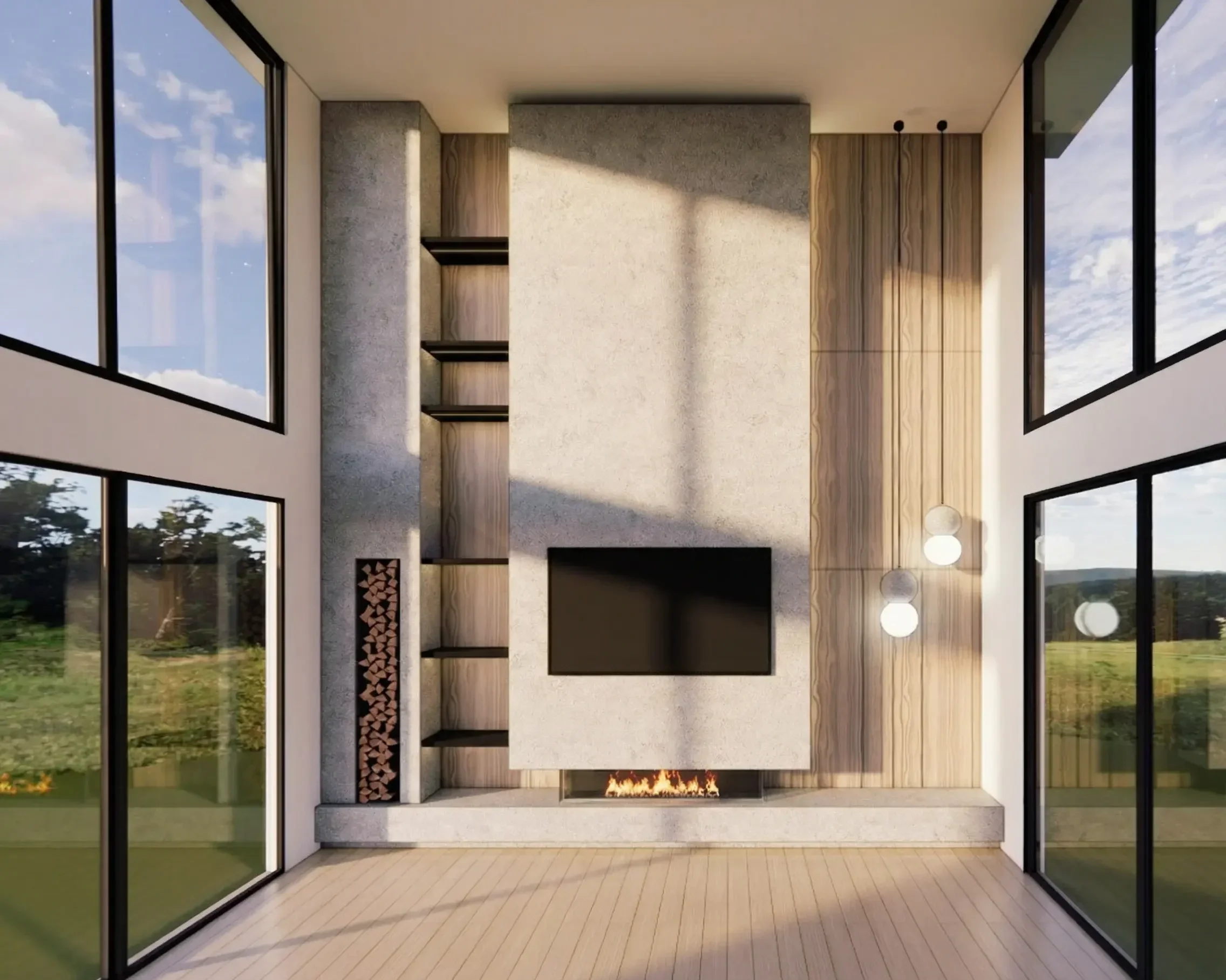
Fireplace feature wall concept illustrating scale, proportion, and vertical spatial emphasis. Drawings developed for IBK Design.
Measurements do not only influence functionality. They also shape the emotional experience of a space. Good proportions can create drama, balance, warmth, and visual flow.
For entryways, for example, I prefer having enough depth to comfortably place a console or shoe cabinet while still maintaining circulation. This allows the entry to become an intentional introduction to the home through artwork, mirrors, lighting, or family photographs rather than simply a transitional corridor. If possible, I also like the entry ceiling to feel slightly lower than the adjoining living or great room. This subtle shift in scale naturally enhances the sense of openness when you enter the larger space beyond.
In one great room project with a high ceiling, we designed a custom fireplace structure extending all the way to the ceiling in a contrasting finish from the surrounding walls. This immediately drew the eye upward and emphasized the height of the room. The proportions of the feature wall completely changed the spatial experience. These design decisions are all rooted in measurements, scale, and proportion. You can also explore our Residential Interior Design Projects to see how spatial planning and proportions influence the atmosphere of a home.
Manual Tape Measure vs Laser Measure

After years of experience, I still rely heavily on a manual tape measure. While laser measures are incredibly useful, especially for taller ceilings and larger spaces, I always begin with a manual tape first and then recheck everything again with a laser measure. There is something about physically measuring a space that creates a deeper understanding of proportions and dimensions. It also allows me to verify details more carefully rather than relying entirely on digital readings. For me, the manual tape measure still feels like the most reliable tool onsite.
Common Measurement Mistakes in Interior Design
Some of the most common mistakes homeowners make include:
Ordering furniture before measuring circulation space
Ignoring ceiling height proportions
Forgetting to account for skirting and wall finishes
Not measuring door clearances and swings
Placing rugs that are too small for the room
Overlooking outlet and switch locations
Assuming all walls are perfectly straight
Taking only one round of measurements during renovations
Even small inaccuracies can affect the final result significantly.
How to Measure a Room Correctly
When taking room measurements, accuracy and consistency are important. I usually recommend starting from one corner of the room and working either clockwise or anticlockwise so nothing is missed.
Important measurements to document include:
Overall wall lengths
Ceiling heights
Window and door openings (including window sill and lintel heights)
Distance between openings
Switch and outlet locations
Bulkheads and ceiling drops
Built in elements or columns
Door swings and clearances
Baseboard heights and projections
Ceiling cornice or trim details.
These details are especially important for:
custom joinery
furniture placement
wall paneling
curtain installations
built in cabinetry
lighting layouts
and accurate elevations/drawings
I also recommend taking photographs and videos during the measurement process so details can later be verified visually.
For larger rooms or taller ceilings, laser measures can help improve efficiency, but I still prefer verifying dimensions manually wherever possible.
Watch: How to Take Accurate Room Measurements
In this video, I walk through my process for taking accurate room measurements before beginning an interior design project. From drawing the room layout and documenting wall dimensions to measuring doors, windows, ceiling heights, and calculating floor/wall areas for materials such as flooring or wall treatments, these details form the foundation of a well planned space
A behind the scenes look at how accurate room measurements are documented before beginning the design process.
Final Thoughts
Interior design begins long before selecting finishes or furniture. Accurate measurements are what allow a designer to create spaces that feel balanced, functional, and intentional.
Every wall, doorway, ceiling height, and circulation path contributes to how a space ultimately looks and feels. Good design is not accidental. It is built on precision, planning, and an understanding of proportion. After more than two decades in design, I still believe measurements are one of the most important foundations of a successful interior.
FAQ
Why are measurements important in interior design?
Measurements determine the scale, proportion, circulation, and functionality of a space. Incorrect measurements can lead to layout issues, installation problems, and costly mistakes during renovations.
What measurements do interior designers typically take?
Interior designers measure wall lengths, ceiling heights, windows, doors, outlets, switches, circulation clearances, and furniture dimensions. For renovations, measurements are often retaken throughout construction.
Why do designers measure spaces multiple times?
Measurements can change after demolition, wall refinishing, or construction. Rechecking dimensions ensures custom furniture, cabinetry, and joinery fit accurately during installation.
What is the most overlooked measurement in a home?
Main entrance door openings are commonly overlooked. Large furniture pieces may fit inside a room but still be unable to enter the home if the opening dimensions are too small.
Are laser measurements more accurate than manual tape measures?
Laser measures are useful for speed and taller spaces, but many experienced designers still verify dimensions manually for greater accuracy and reliability.
Why do interior designers take photos and videos during site measurements?
Photographs and videos help document important site conditions that may not always appear in technical measurements alone. They provide visual references for lighting conditions, architectural details, finishes, outlets, ceiling features, and construction elements throughout the design process.