
How Do I Prepare My Home for an Interior Designer?
Preparing your home for an interior designer is less about making everything look perfect and more about creating clarity. The most successful design projects begin when homeowners understand how they live, what is not working in their space, and how they want their home to feel. A thoughtful consultation allows your designer to create a home that is not only beautiful, but functional, intuitive, and deeply personal. Before your first meeting, it helps to organize inspiration images, identify lifestyle needs, declutter key areas for measurements, and define your priorities room by room. According to the American Society of Interior Designers, good interior design improves both functionality and well being, which is why preparation matters far beyond aesthetics.
After more than 22 years of working on residential and commercial interiors across Dubai and the United States, I have learned that the best projects are never just about finishes or furniture. They are about understanding the people who live there. Every family moves through a home differently, and the role of an interior designer is to translate those routines, emotions, and aspirations into spaces that feel effortless to live in.
Here is how to prepare your home and yourself before your first interior design consultation.
1. Start With What Is Working and What Is Not
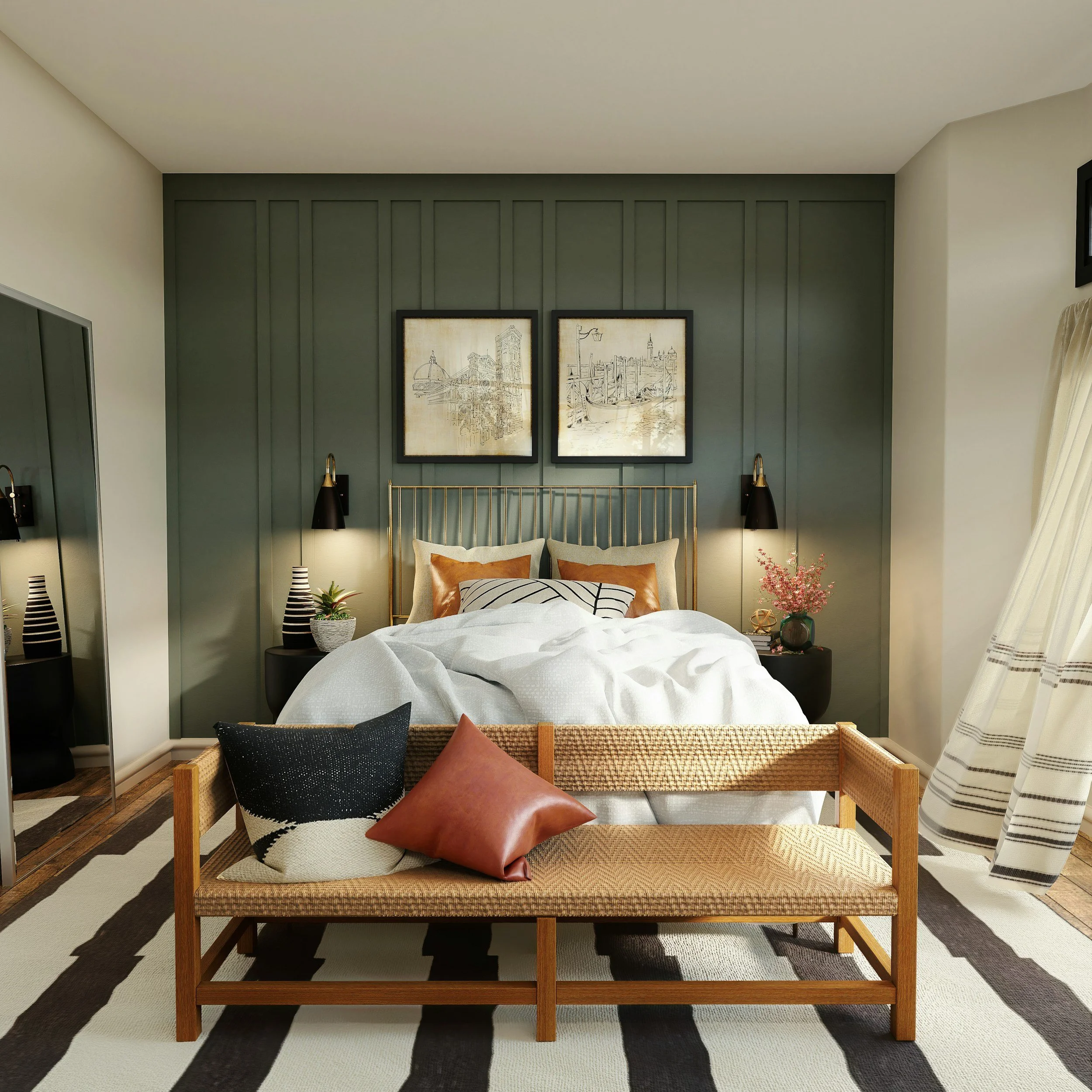
One of the biggest mistakes homeowners make is saying things like “we just want to refresh the space” without fully understanding why the space no longer works for them.
Before your consultation, walk through your home room by room and make two lists:
What is working
What is not working
For example:
The kitchen island feels too small for family gatherings
The entryway becomes cluttered every morning
The living room looks beautiful but does not feel comfortable
The bedroom lacks storage and feels stressful instead of calming
This simple exercise creates a structured starting point for the design process and helps your designer identify practical solutions much faster.
2. Think Beyond Pinterest
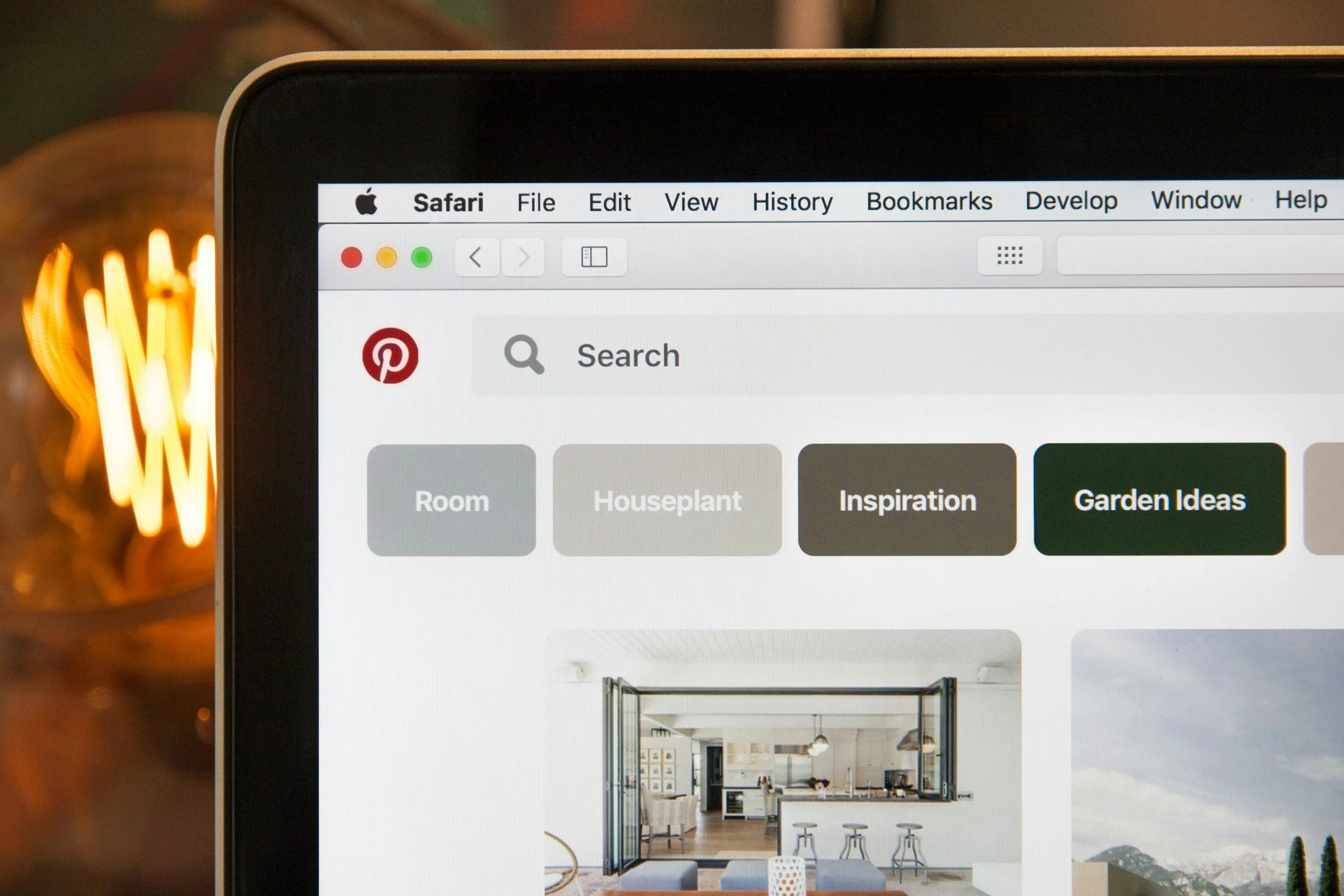
Pinterest boards can be helpful, but inspiration alone is not interior design.
One of the most common misconceptions homeowners have is believing that a contractor plus a Pinterest board is enough to create a cohesive home. In reality, interior design is far more nuanced. It involves circulation planning, emotional experience, functionality, lighting, proportion, and understanding how spaces connect together.
A designer looks beyond individual images and studies the bigger picture:
How do you want the space to feel?
How do you move through the home?
How should each room function?
What atmosphere are you trying to create?
For example, some clients want their bedroom and bathroom to feel spa like and serene, while others want their family room to feel warm, relaxed, and cozy. Some prefer a luxurious entertaining space, while others want the entire home to feel casual and welcoming.
Rather than collecting hundreds of images, focus on a smaller collection that genuinely resonates with you emotionally.
If you are still exploring whether professional help is the right fit, this article on hiring an interior designer for one room can help you understand how designers approach projects of different scales.
3. Share Your Daily Routines
A beautiful home that does not support your lifestyle will eventually become frustrating.
One of the first things I like to understand during a consultation is what a normal day looks like for my clients. These conversations reveal how the home truly needs to function.
We discuss questions like:
Where does everyone naturally gather?
Do you entertain often?
How do children move through the space?
Do you work from home?
Do you need quiet spaces or social spaces?
What areas feel chaotic during busy mornings?
These details directly influence circulation patterns, furniture planning, storage solutions, and space allocation.
The best interiors feel intuitive because they are designed around real life, not just aesthetics.
4. Declutter Before the Consultation
Your home does not need to be perfectly styled before your designer arrives. In fact, we are much more interested in understanding how you actually live.
However, one thing that helps tremendously is decluttering key areas before the consultation.
If possible:
Move lightweight furniture slightly away from walls
Clear clutter from floors and countertops
Make pathways accessible
Remove unnecessary items blocking measurements
This makes it easier to accurately measure the space and understand the architectural framework of the home.
It also allows your designer to focus on the space itself rather than being visually distracted by temporary clutter.
5. Understand How You Want Each Room to Feel
Many homeowners focus entirely on visual inspiration and forget about emotional experience. But emotional functionality is one of the most important parts of good interior design.
Before your consultation, think about the feeling you want each room to create.
For example:
Calm and restorative
Luxurious and dramatic
Cozy and layered
Bright and energizing
Sophisticated and minimal
Warm and welcoming
These emotional cues help guide decisions related to:
Lighting
Color palettes
Material selection
Furniture scale
Texture
Spatial flow
The result is a home that feels cohesive and aligned with your lifestyle instead of simply looking trendy.
6. Be Honest About Budget
A realistic budget framework allows your designer to guide you strategically from the beginning. Without budget clarity, homeowners often end up redesigning spaces multiple times or making rushed compromises later in the process.
A good designer helps prioritize where to invest and where to simplify.
This could include:
Investing in custom cabinetry but simplifying decorative finishes
Prioritizing durable materials in high traffic areas
Phasing the project over time
Balancing statement pieces with practical selections
Being transparent about your budget does not limit creativity. It creates a smarter design plan.
7. Measure Expectations Alongside Measurements
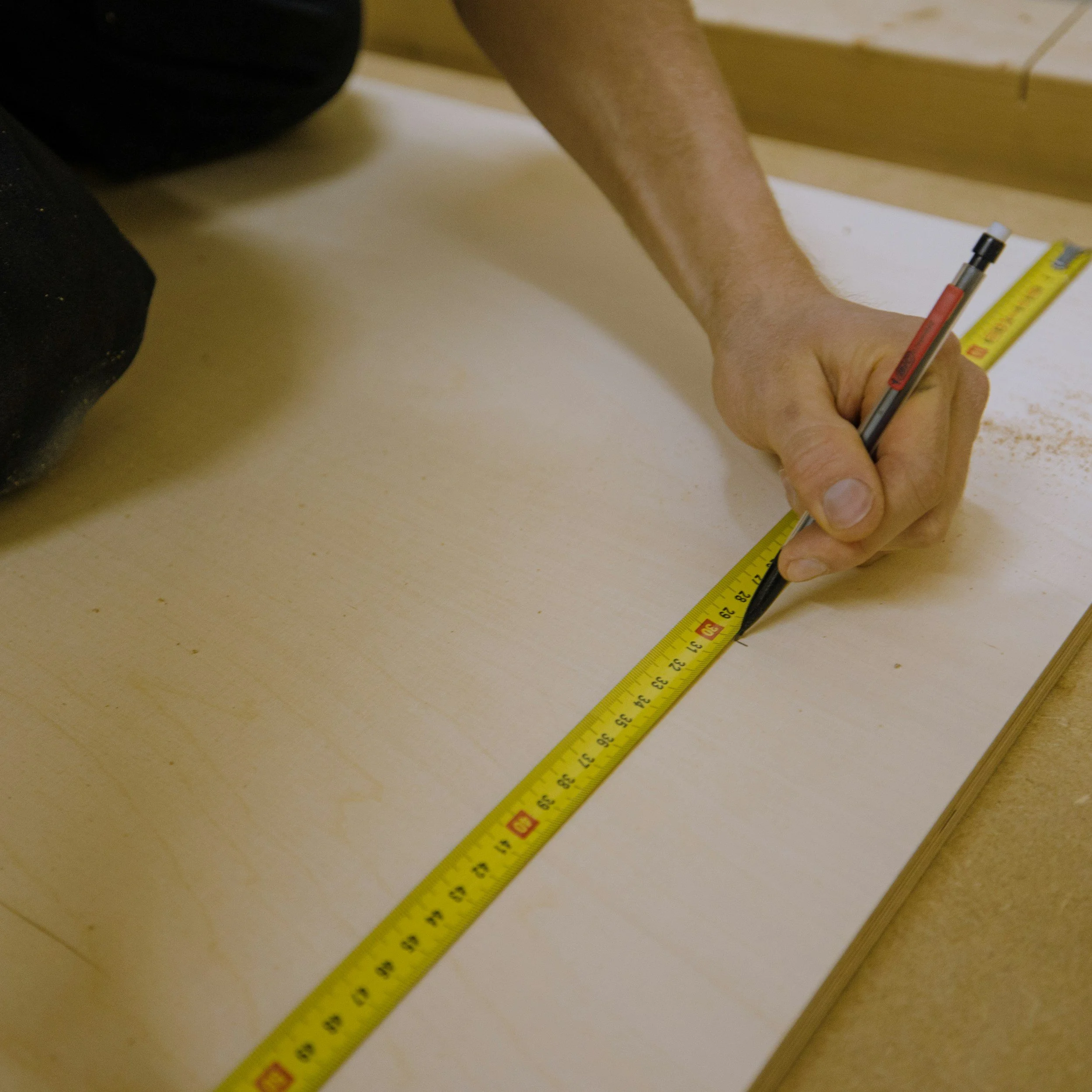
Homeowners often underestimate how many decisions are involved in a design project. Preparing mentally for the process itself is just as important as preparing the physical space.
Design projects require:
Communication
Collaboration
Patience
Decision making
Flexibility
Having a structured process from the start helps eliminate unnecessary stress and avoids costly back and forth revisions later. This is especially important in renovation and construction projects where timelines move quickly.
If you are preparing for a renovation or furnishing project, this guide on important interior design measurements explains why accurate planning is essential before making design decisions.
8. Bring All Decision Makers Into the Conversation
One of the biggest causes of delays in design projects is misalignment between decision makers. If multiple people are involved in the project, it is helpful to include everyone in the initial consultation whenever possible.
This allows:
Priorities to be discussed openly
Different perspectives to be understood early
Design direction to become clearer faster
Fewer revisions later in the process
If possible, it also helps to choose one member of the family to be the primary point of communication with the designer. Having a clear point person streamlines communication, avoids conflicting feedback, and helps the design process move forward more efficiently.
The goal is not for everyone to have identical taste. The goal is creating a home that feels cohesive and works well for everyone living there.
9. Understand That Good Design Is About More Than Appearance
The most successful homes are not the ones that simply photograph well.
They are the homes that feel effortless to live in.
A well designed space supports routines, reduces stress, improves functionality, and creates emotional comfort. This is something many homeowners only fully understand after working with a designer. When clients come prepared with a clearer understanding of their lifestyle and priorities, the entire process becomes smoother and far more tailored to their needs.
Instead of designing around trends, we design around people.
To learn more about our design philosophy and process, explore our interior design services.
FAQ
How should I prepare my house for an interior designer?
Start by decluttering major areas, gathering inspiration images, and making a room by room list of what is working and what is not. It also helps to think about how you want each room to feel emotionally and functionally.
What should I bring to an interior design consultation?
Bring inspiration images, architectural plans if available, measurements of important furniture pieces, and a list of your priorities, routines, and lifestyle needs.
Do I need to clean my house before an interior designer visits?
Your home does not need to look perfect. However, decluttering and clearing access to walls and pathways helps with measurements and space planning.
Should I have a budget before hiring an interior designer?
Yes. Even a general investment range helps your designer create realistic recommendations and prioritize spending effectively.
Can an interior designer work with my existing furniture?
Absolutely. Many designers incorporate existing furniture, artwork, or sentimental pieces into the new design plan when appropriate.
What is the biggest mistake homeowners make before hiring an interior designer?
One of the biggest mistakes is relying entirely on Pinterest inspiration without considering how the space actually needs to function for daily life. Good design is about both beauty and usability.
Final Thoughts
Preparing for an interior design consultation is not about having every detail figured out beforehand. It is about creating clarity around your lifestyle, priorities, and goals. The more your designer understands how you live and how you want your home to feel, the more tailored and successful the final result will be.
The best homes are not just designed beautifully. They are designed intentionally.
If you’re considering hiring an interior designer and would like professional guidance, Get in touch to discuss your project.