
How to Prepare a Realistic Budget for Your Interior Design Project
After 22 years in interior design across three different markets, I've seen countless budgets derail projects—and it almost always comes down to the same fundamental mistakes during planning. The key to preparing a realistic budget for your interior design project is using an itemized approach based on your specific scope of work, adding a 15% buffer for unexpected costs, and conducting thorough market research with multiple vendor quotes. Most clients make critical errors: they underestimate material costs, rely on flat square footage rates that don't account for project specifics, or skip market research entirely. These shortcuts create budget disasters later. I've worked on projects in Dubai, India, and now Florida. Regardless of the market, proper budget preparation follows the same principles. When you plan methodically and set realistic expectations, excellent design outcomes are possible at any budget level.
Why Most Interior Design Budgets Fail

The biggest interior design budget mistakes stem from oversimplified planning approaches that ignore project realities. Using flat square footage rates is the most dangerous trap. A $50 per square foot estimate might sound reasonable, but it ignores whether you're refreshing a basic bedroom or a kitchen requiring electrical upgrades, custom cabinetry, and high-end appliances. Underestimating material costs kills more budgets than any other factor. Clients research furniture prices online but forget delivery fees, installation costs, or the reality that their perfect sofa is backordered for six months, forcing them toward pricier alternatives. Market research gets skipped because it feels tedious, but material and labor costs vary significantly even within the same city. What you assume will cost $5,000 based on online research might actually run $8,000 in your specific market. I address these issues by requiring detailed scope documentation before any budget discussions begin. You cannot price what you haven't properly defined.
The Itemized Approach: Building Your Budget by Scope
I don't allocate budget percentages because every project is different. Instead, I create an itemized list based on the specific scope of work. My standard categories include demolition and civil work, plumbing and electrical, flooring, ceiling work, millwork, furniture and fixtures. Each category gets broken down by room, with calculated areas and specific requirements noted. For flooring, I don't just say "hardwood throughout." I calculate exact square footage for each room, specify wood type and grade, note subfloor preparation needed, and include installation costs. This precision prevents nasty surprises that derail percentage-based budgets. The electrical category might include new outlets for a home office, updated lighting circuits for the kitchen, or smart home integration. Each element gets researched and priced individually. After calculating areas and documenting requirements, I conduct market research and gather 2-3 comparative quotes. This takes longer than throwing out percentage-based estimates, but it creates budgets that actually hold up during implementation.
Hidden Costs and the Essential 15% Buffer
I always add 15% for miscellaneous costs, things that get overlooked or mistakes that need rectifying. This buffer usually covers unforeseen costs that inevitably arise. Hidden costs pop up in predictable categories. Permit fees and inspection costs get forgotten. Temporary storage during renovation phases adds monthly rental fees. Utility disconnection and reconnection creates service charges. Material waste is another killer. Tile and wallpaper require overage for pattern matching and installation errors. Paint calculations never account for primer needs or touch-up requirements. Furniture delivery can include stair-carry fees, white-glove service charges, or assembly costs. Coordination between trades creates timing issues that cost money. If the flooring crew arrives before painting is complete, you're paying for them to return later. The 15% buffer isn't padding, it's realistic project management. This percentage consistently covers genuine surprises without creating unnecessary fat in the budget.
Smart Market Research: Getting Accurate Pricing
I always start with at least 2-3 quotes from different vendors and contractors to compare pricing, ask the right questions, and get the best rate possible. Effective vendor quotes require specific questions beyond basic pricing. I ask about material grade differences, timeline impacts on pricing, payment terms, and what's included versus additional charges. Lower quotes often exclude services that competitors include. Timing matters significantly. Contractors may offer better rates during slower seasons. Custom furniture makers have different pricing for rush orders versus standard timelines. I ask vendors about their pricing rationale. Why is one tile installer charging 40% more? Sometimes it's justified by better preparation work. Other times, it reveals you're comparing different service levels. Geographic location within your market affects pricing dramatically. A contractor who works primarily in high-end neighborhoods may quote premium rates automatically. Someone from a different area might offer the same quality work at lower rates. I maintain detailed comparison sheets that track pricing, timeline, what's included, material specifications, and payment terms. This information proves invaluable during final contractor selection and project management.
Where to Splurge vs. Where to Save
I splurge on items that create maximum impact, lovely wallpaper or a striking pendant light. I also invest in comfort and spend on items that feel and look luxurious like furniture pieces. When determining budget priorities, I focus on what you physically touch or sit on first. These items must feel luxurious because you interact with them daily. A beautiful sofa that's uncomfortable becomes a constant source of regret. Statement pieces that transform entire rooms deserve larger budget allocations. One exceptional light fixture can completely change a space's atmosphere. High-quality wallpaper creates sophistication that paint simply cannot match. I don't splurge on cushions and accessories, though they complete a room. These pieces can be upgraded over time without major disruption. Starting with quality bones, flooring, lighting, major furniture creates a foundation for future enhancements. Built-in elements warrant higher investment because they're difficult to change later. Custom cabinetry, built-in seating, or architectural details become permanent parts of your space.
Modern Budget Considerations: New Design Costs
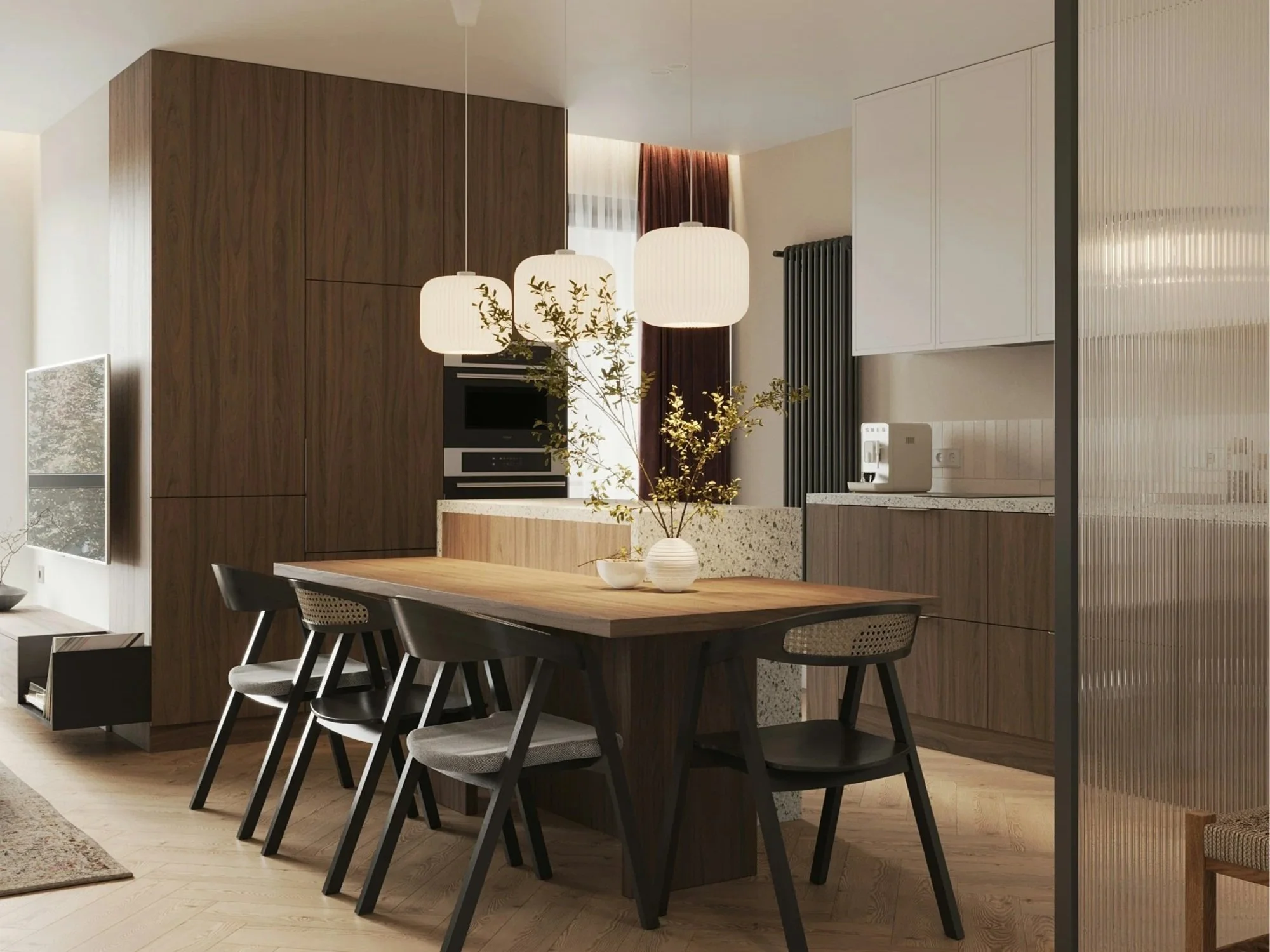
Spending on visuals, walkthroughs, and VR spaces is something new. People want to experience their space before construction begins. Interior design visualization costs have become standard budget line items rather than luxury additions. Clients expect 3D renderings of their spaces, not just flat drawings or material boards. Virtual reality walkthroughs let clients identify potential issues before construction starts. Catching problems during design costs significantly less than making changes mid-project. This technology investment prevents much larger budget overruns later. 3D modeling has changed how we price design services. Creating detailed virtual spaces takes considerable time and specialized software. However, the investment pays dividends in client confidence and project accuracy. Video walkthroughs and interactive presentations have become client expectations, especially for larger projects. These tools help clients understand spatial relationships and design intentions more clearly than traditional presentations. These modern tools add costs to the design process, but they typically prevent expensive mistakes during construction phases. Hiring a designer solely for drawings can be a practical option if you’re confident in your vision and managing the project yourself, but need support with the technical aspects. In such cases, a focused design documentation service can help translate ideas into clear, buildable drawings.
Making Any Budget Work for Great Design
When planned well, no matter your budget, the design outcome will always be great. The idea is to keep your expectations realistic about what can be achieved within your budget. Working with a small budget requires strategic prioritization rather than scaled-back versions of expensive solutions. I focus on identifying the 2-3 changes that will create the most dramatic improvement. Paint remains one of the highest-impact, lowest-cost improvements available. Choosing sophisticated colors and proper finishes can completely transform rooms without major expense. Adding strategic lighting enhances the paint's effect exponentially. Furniture arrangement costs nothing but can revolutionize how a space functions and feels. I often achieve significant improvements simply by repositioning existing pieces and adding one or two key items. The key to smaller budgets lies in phasing projects strategically. Starting with structural improvements, paint, lighting, basic furniture arrangement, creates a solid foundation. Future phases can add layers of sophistication as finances permit.
If you are considering renovating just one room, read more on Can I Hire an Interior Designer for Just One Room?
Step-by-Step Budget Creation Process
Creating your budget starts with documenting your complete scope of work before researching any pricing information. Begin by walking through each room and listing every change you want to make. Include structural modifications, electrical updates, plumbing changes, flooring, ceiling work, furniture needs, and decorative elements. Be specific rather than general.
Measure each room carefully and calculate square footage for flooring, wallpaper, paint, and ceiling work. Note ceiling heights, window dimensions, and any architectural features that might affect material calculations. Research local vendors and request quotes for each category. Provide detailed specifications to ensure comparable estimates. Ask about timeline requirements and payment terms along with pricing. Organize your quotes in a spreadsheet that tracks vendor information, pricing, what's included, timeline, and special considerations. This documentation becomes your project roadmap. Add your 15% miscellaneous buffer to the total, then review the final number against your available budget. If adjustments are needed, revisit your priorities rather than eliminating the buffer. Before starting any project, consider whether working with a professional designer might actually save money through vendor relationships and avoiding costly mistakes.
Explore our blog about Full service vs Hourly-the pro’s and cons.
Conclusion
Preparing a realistic budget for your interior design project requires methodical planning, thorough market research, and honest assessment of your priorities. The itemized approach based on specific scope of work prevents the budget disasters I've witnessed throughout my career. Excellent design outcomes are possible at any budget level when you plan strategically and maintain realistic expectations. Focus your resources on high-impact elements and items you'll interact with daily. The 15% buffer for unexpected costs isn't optional, it's essential project management that prevents forced compromises later. Combined with proper market research and multiple vendor quotes, this approach creates budgets that survive real-world implementation. Whether you're planning a complete renovation or focused updates , the principles remain the same: define precisely what you want to achieve, research thoroughly, and plan for the unexpected.
If you’re planning your interior design project, explore our services and approach to creating spaces that balance function, lifestyle, and refined aesthetics, across a range of budgets. Let’s Talk!
Frequently Asked Questions
How much should I budget for an interior design project?
Budgets vary based on scope, materials, and location. An itemized approach based on your specific requirements is far more accurate than square-foot estimates.
What is the 15% buffer for in interior design budgets?
The 15% buffer accounts for unforeseen costs such as material waste, delivery charges, and coordination delays. It’s essential for avoiding budget overruns.
Is it better to estimate per square foot or itemize costs?
Itemizing costs is far more reliable. Square-foot estimates often overlook project complexity and lead to inaccurate budgeting.
Can I create a good design on a small budget?
Yes. Prioritizing high-impact elements like lighting, paint, and layout can create excellent results even with limited budgets.
Do I need multiple vendor quotes?
Yes. Comparing at least 2–3 quotes ensures better pricing, clarity on scope, and avoids hidden costs.