
Should You Hire an Interior Designer for a Small Space?
Small spaces often demand more design thinking, not less. Whether it is a studio apartment, a compact city home, or a multifunctional room, the challenge is rarely about decoration. It is about decisions. Every inch matters, every piece of furniture impacts circulation, and every design choice affects how the space feels and functions daily.
The American Society of Interior Designers (ASID) emphasizes that thoughtful spatial planning is one of the most critical factors in creating interiors that are both functional and livable. In small apartment design especially, success depends less on what you choose and more on how precisely everything is planned before anything is purchased.
This becomes even more important in real projects where constraints are tight. For example, in a 400 sq ft studio apartment I recently designed as a short term rental investment, the client had no clarity on layout, furniture scale, or overall style direction. The space was completely empty, and every decision had to be mapped before execution.
By starting with accurate measurements and converting the apartment into CAD drawings, we were able to test multiple layout options before purchasing a single item. This approach allowed us to evaluate circulation, furniture proportions, and visual balance in a controlled way, preventing costly mistakes and unnecessary purchases.
Hiring an interior designer for a small space is therefore not just about aesthetics. It is about precision, planning, and making sure every decision supports how the space will actually be lived in or used.
Why Small Spaces Are More Difficult Than They Look
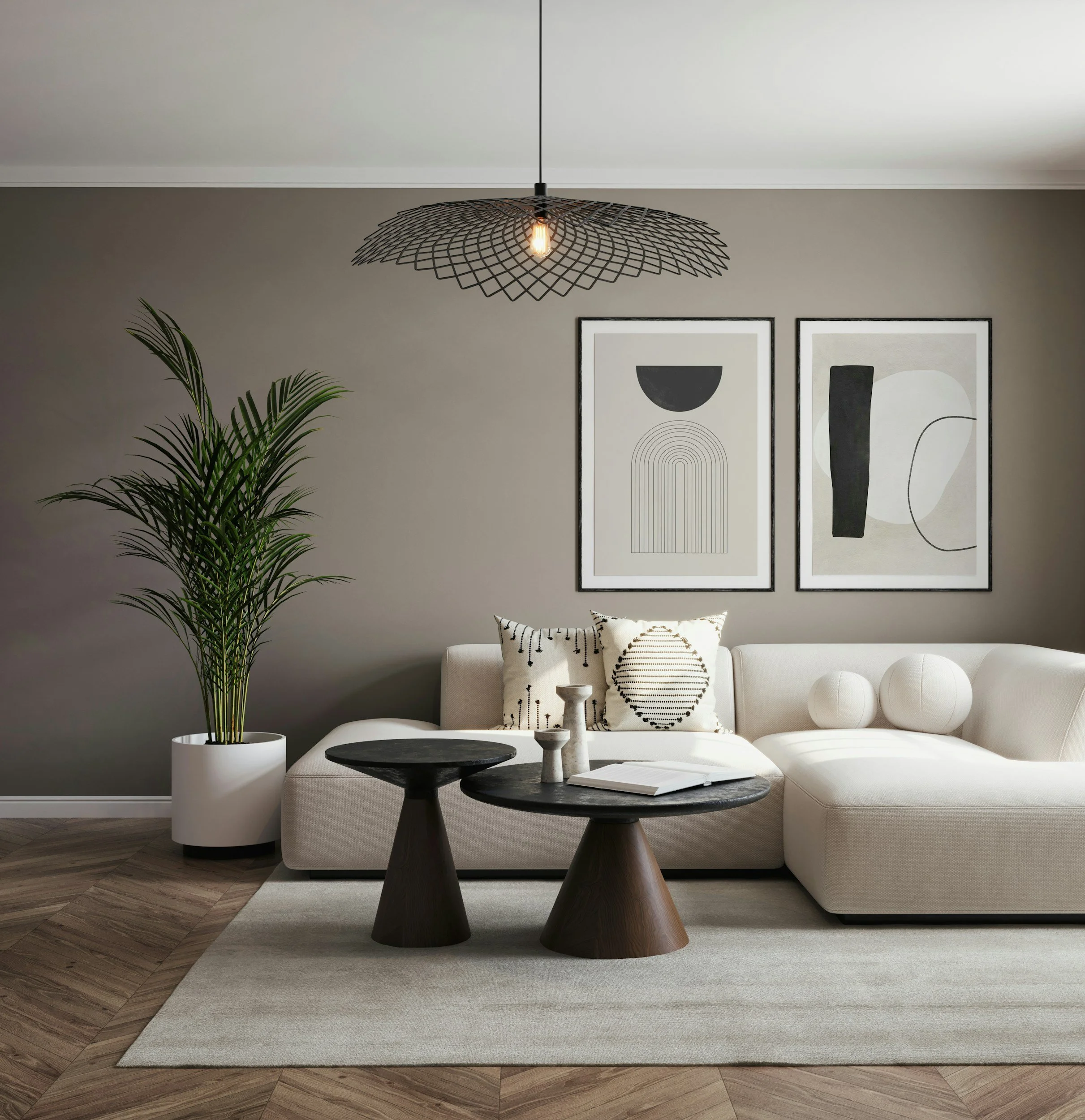
A common misconception is that small spaces are easier to design because there is less to work with. In reality, they are more complex because every decision is amplified. There is no room for error in scale, proportion, or layout. A sofa that is slightly too large can block movement. A dining table that feels fine in a showroom can overwhelm a compact living area once delivered.
One of the most important steps in my process is always starting with accurate measurements and translating them into drawings. This allows us to test layouts digitally before anything is purchased.
If you want to understand this step better, I have explained it in detail here: Most Important Interior Design Measurements
Common Mistakes People Make in Small Spaces
Over the years, I have seen the same mistakes repeated again and again when clients attempt to design small spaces on their own.
One of the most common is buying furniture directly from a showroom without testing how it fits the actual home. A piece may look perfect in a large retail setting, but feel completely out of proportion in a compact room.
Another frequent mistake is selecting colors in isolation. A wall color may look beautiful on its own, but once combined with flooring, furniture, and lighting, the result can feel disconnected. This is why professional designers use mood boards that combine all elements together so the client sees the full composition before decisions are made.
Storage is another critical area often overlooked. In small spaces, storage cannot be an afterthought. It must be integrated into the design. Solutions like under bed drawers, built in cabinetry, and hidden storage systems make a significant difference in maintaining both function and visual clarity.
Finally, many homeowners underestimate the importance of circulation space. Even in compact homes, maintaining clear walking paths is essential. Ideally, allowing approximately 30 to 36 inches of movement space between furniture pieces ensures comfort and usability.
When You Might Not Need a Designer
Hiring an interior designer is not always necessary for every small space project.
If you are confident with measurements, comfortable planning layouts, and willing to invest time into research and trial and error, you can successfully design your own space.
A practical middle ground is a short design consultation. Even a one hour session with a designer can help you avoid major layout mistakes and give you clarity before purchasing furniture. If you prefer this approach, you can book a consultation here: Contact Pure Coalesce
Another approach is to start with simple physical mapping. Taping furniture dimensions on the floor before buying helps you visually understand scale and circulation in your actual space.
What You Gain When You Hire a Designer
The most overlooked benefit of hiring an interior designer for a small space is not just better aesthetics or better furniture choices.
It is clarity.
A well designed small space feels cohesive, intuitive, and aligned with how you actually live or how the space is intended to perform. Whether it is a home or an investment property, the goal is always the same. The space should work effortlessly.
I often explain it like this: designing your space is like tailoring a garment. You can buy something off the rack, or you can have it made specifically for your measurements. Both may function, but only one fits you perfectly. That level of fit is what creates comfort, confidence, and long term satisfaction. In many cases, it also improves property value and rental appeal because the space feels intentional rather than improvised.
Case Study: 400 sq ft Studio Apartment
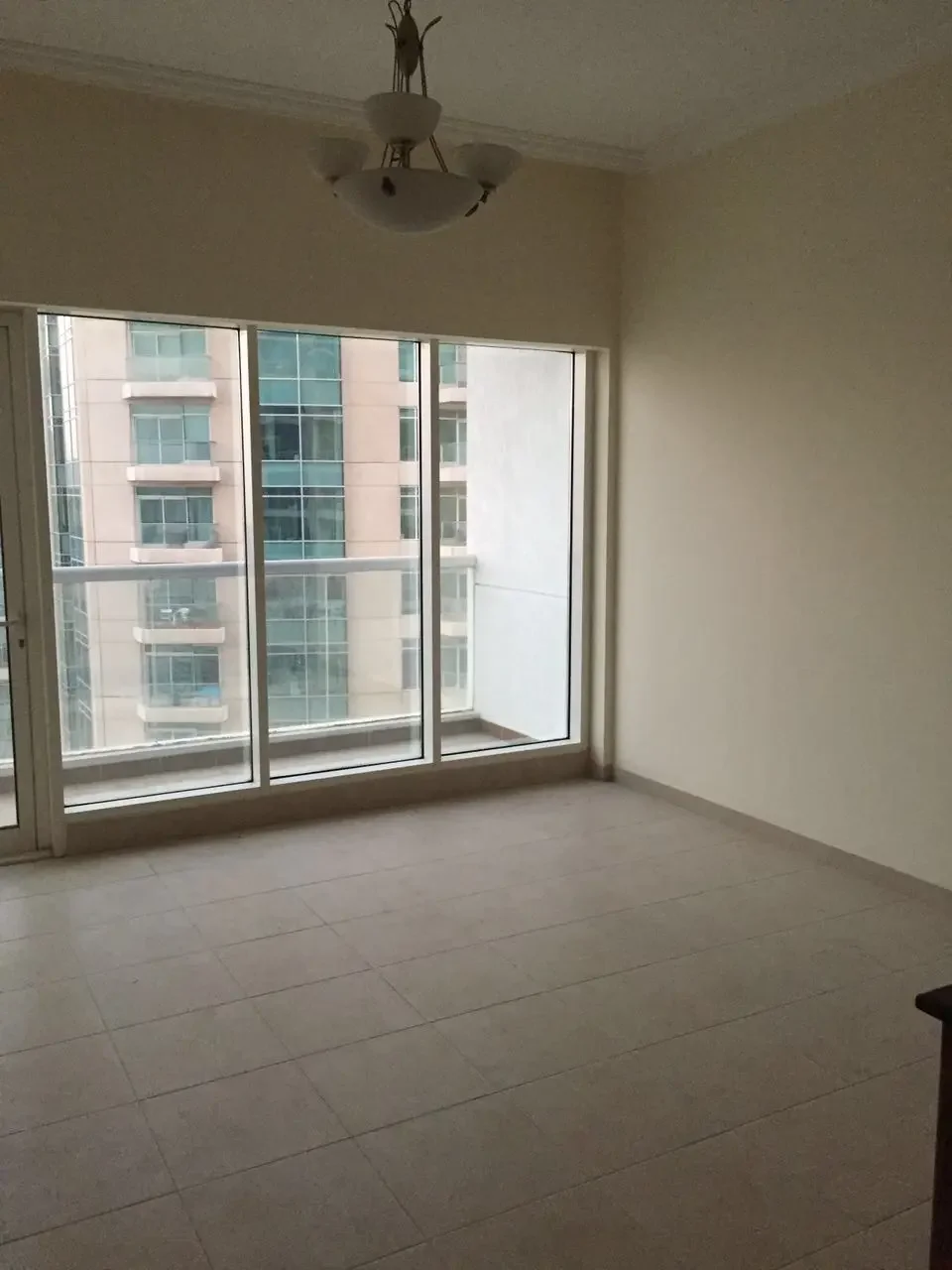
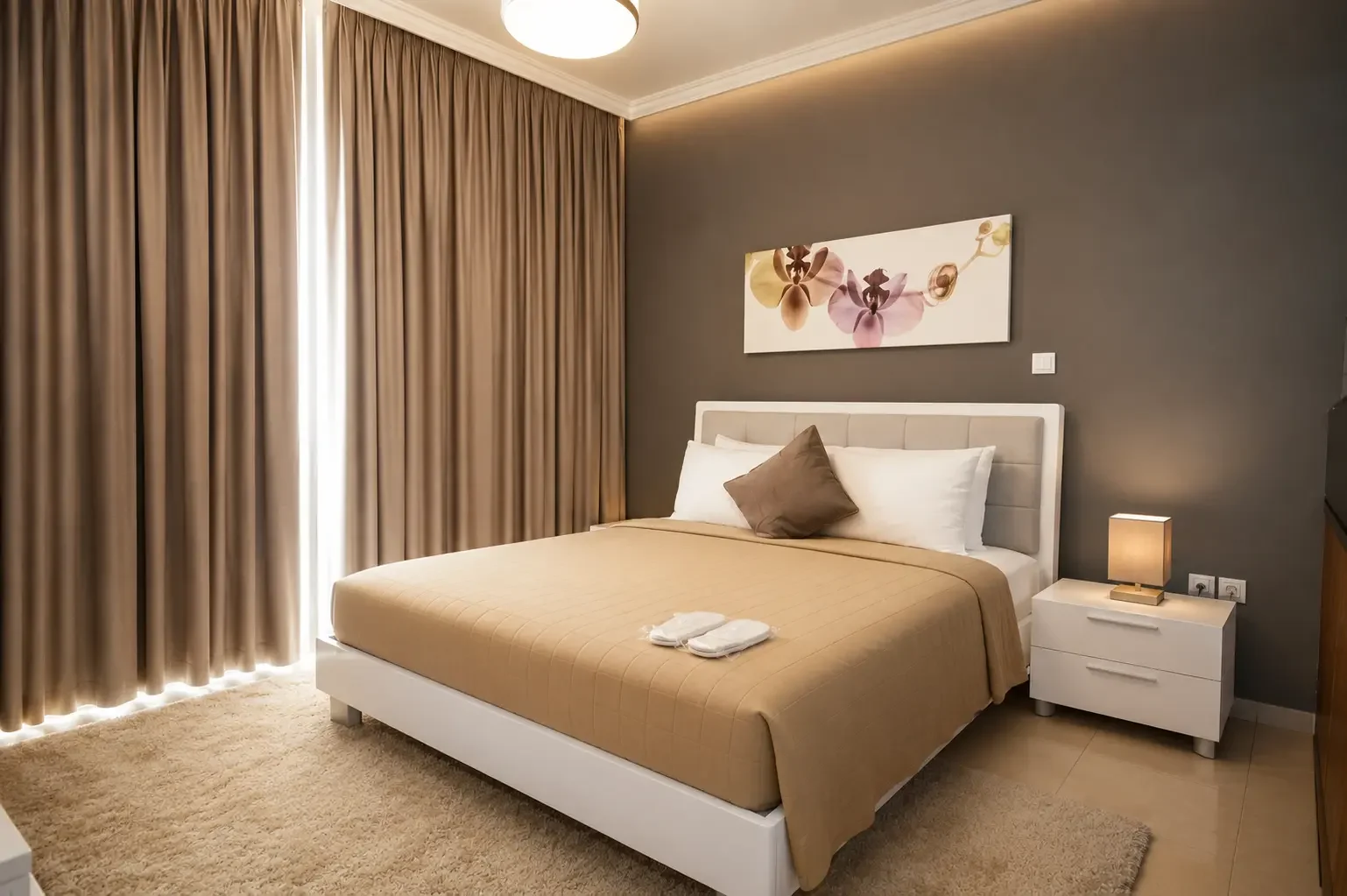
One of my recent projects involved a 400 sq ft studio apartment designed as a short term rental investment.
The space was completely empty, and the client had no clear direction on furniture layout, style, or functionality. The goal was to create a fully furnished, guest ready apartment that felt spacious, functional, and visually appealing.
We began with precise measurements and converted the space into CAD drawings. From there, multiple layout options were explored digitally before any purchases were made. This allowed us to evaluate circulation paths, furniture sizing, and spatial efficiency in a controlled way.
We also applied the same method to styling decisions, including artwork placement. By working with elevations and testing different combinations, we ensured that every visual element contributed to a cohesive design.
The final result was a well balanced studio apartment where furniture fit perfectly, movement felt natural, and the space functioned efficiently for short term rental use.
When Hiring an Interior Designer Makes the Most Sense
Hiring a designer is especially valuable when:
You are working with a small or awkwardly shaped space
You want to avoid expensive purchasing mistakes
You are furnishing a rental or investment property
You want a cohesive aesthetic without trial and error
You value time efficiency and professional guidance
FAQ
Is it worth hiring an interior designer for a small apartment?
Yes, especially when space planning and furniture scale are critical. Small apartments benefit greatly from professional layout and storage planning.
Can I design a small space myself?
Yes, if you are willing to measure carefully, plan layouts, and test furniture sizing before buying.
How do designers make small spaces look bigger?
Through layout planning, scale appropriate furniture, smart storage, lighting, and visual continuity across materials and colors.
What is the biggest mistake in small space design?
Buying furniture without testing scale and circulation in the actual space.
Do I need a full design service or just a consultation?
Many clients benefit from a short consultation to validate layout and avoid costly mistakes before starting.