
CAD Drafting vs Design: What's the Difference?
Many people use the terms design and drafting interchangeably, but they are actually two distinct parts of the project development process. Design focuses on creating the vision for a space, while drafting translates that vision into precise technical drawings that can be built accurately. Whether you are a homeowner planning a renovation, a builder looking for design support, or an interior designer considering outsourced drafting services, understanding the difference can help ensure a smoother project from concept to construction. For a broader understanding of how construction documentation supports successful building projects, the National Institute of Building Sciences provides valuable industry resources and best practices.
Understanding Design
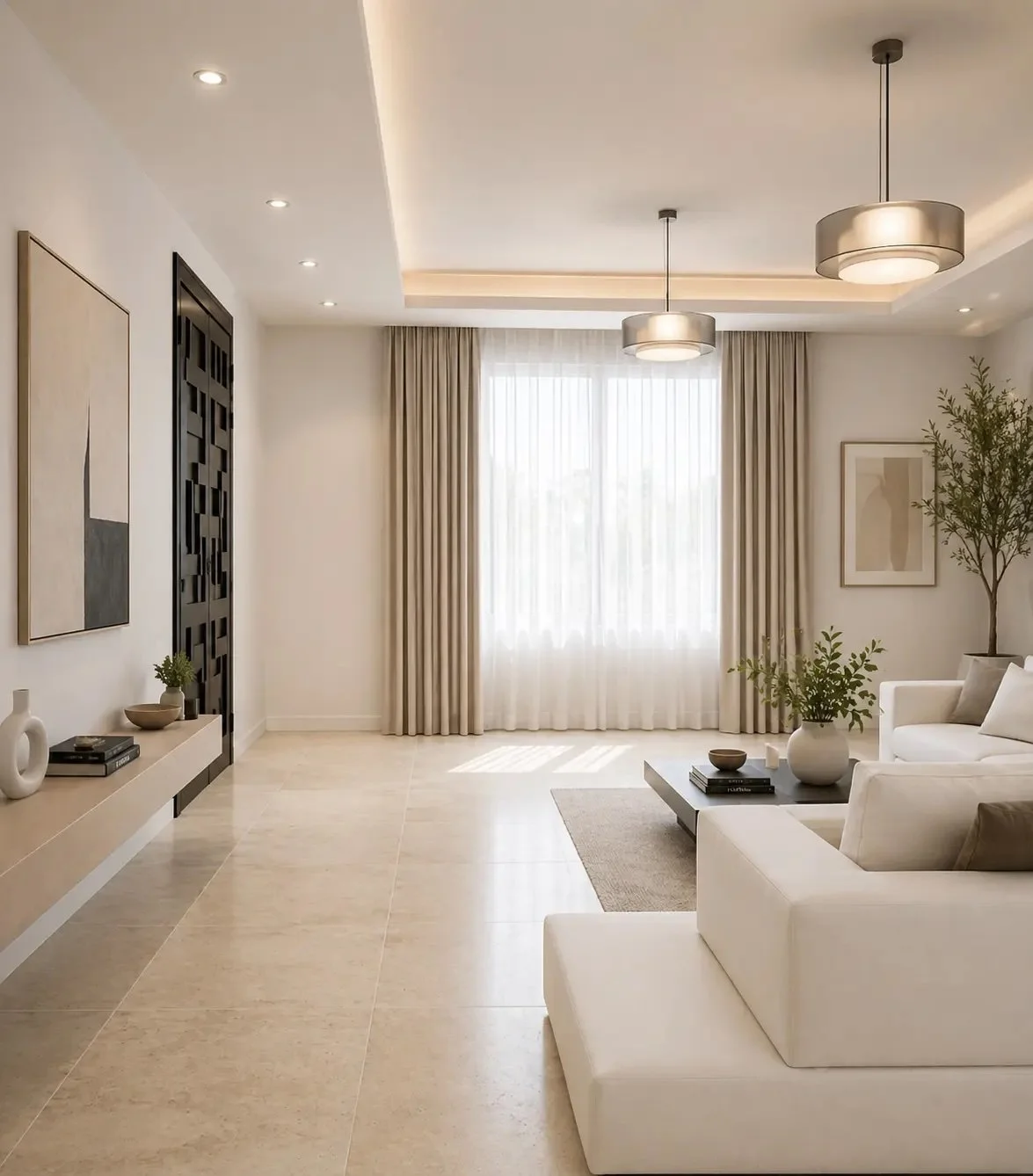
Design is the creative and strategic process of developing a solution for a space. It goes beyond selecting finishes and furniture. Good design considers how people will use a space, how they move through it, and how aesthetics and functionality work together.
When I managed turnkey residential and commercial projects in Dubai for over 12 years, design involved everything from understanding client requirements and developing concepts to creating space plans, selecting materials, coordinating consultants, and overseeing implementation.
The design phase typically includes:
Client consultation
Space planning
Concept development
Material and finish selection
Lighting concepts
Furniture layouts
Presentation drawings and visualizations
At this stage, the focus is on solving problems and creating opportunities within a space.
Simply put, design answers the question:
"What should this space become?"
Understanding CAD Drafting
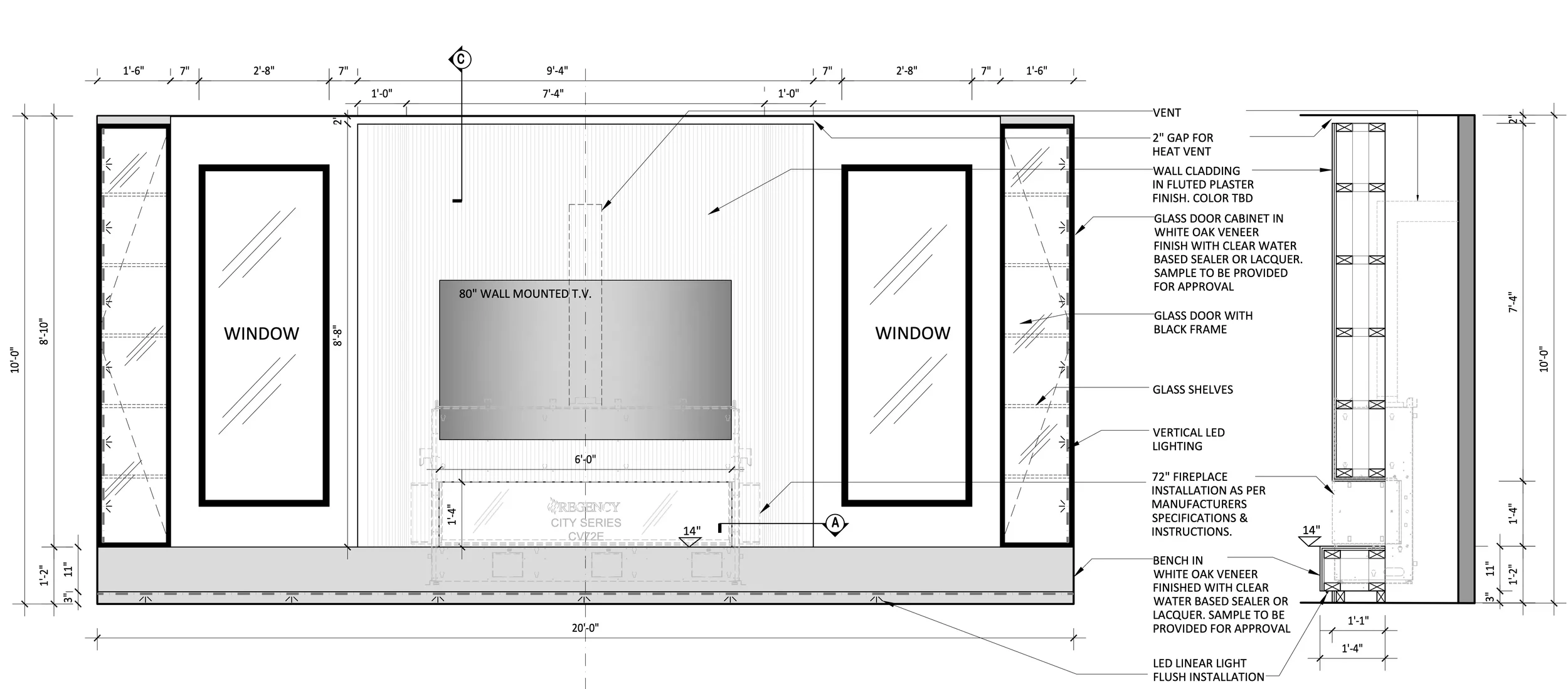
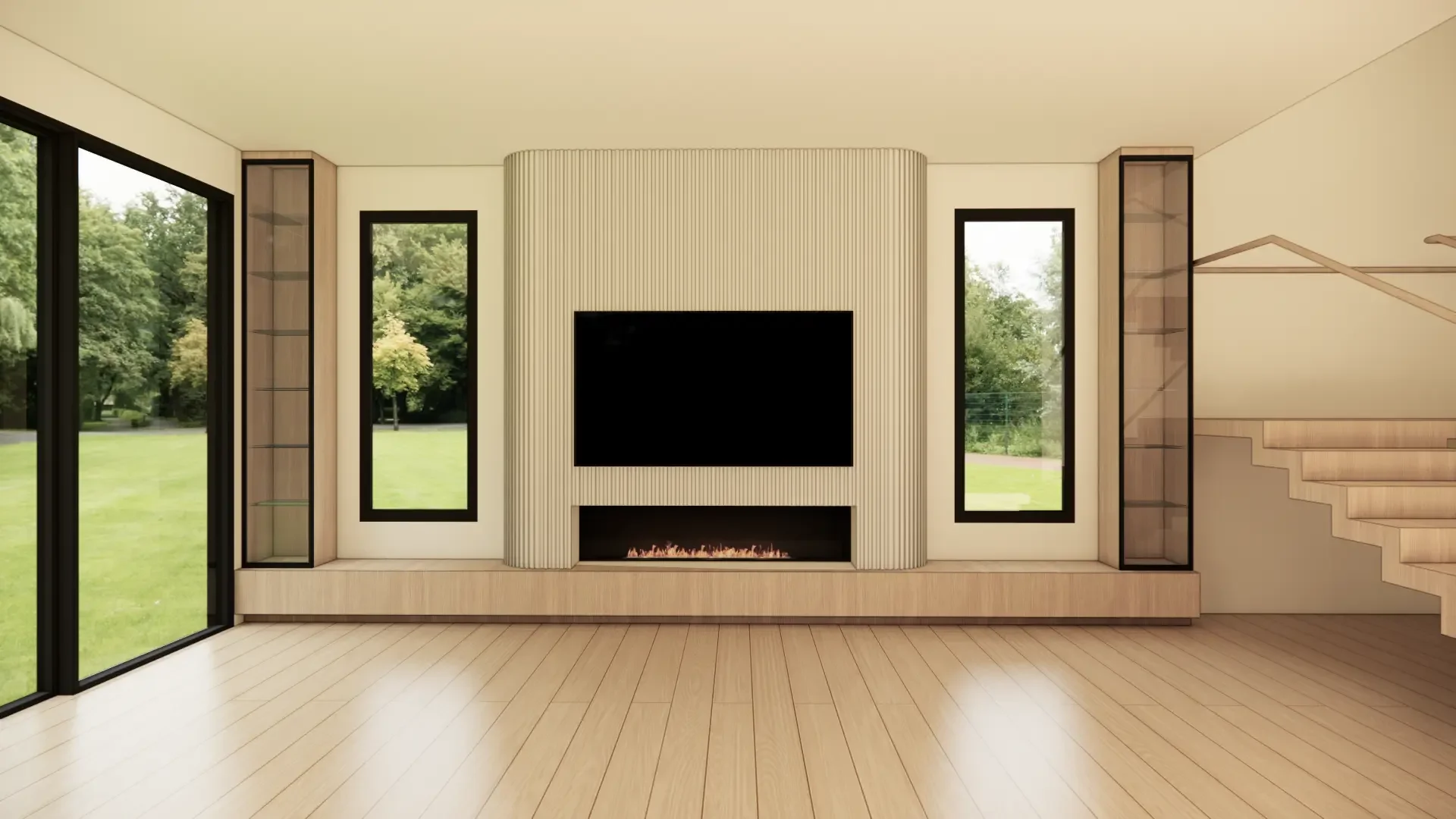
CAD drafting is the process of converting design concepts into technical documentation that contractors, fabricators, and builders can use during construction.
Today, I work closely with NCIDQ certified interior designers, licensed architects, and decorators in the U.S., helping transform their concepts into detailed construction drawings. While the design establishes the vision, drafting communicates exactly how that vision should be built.
A drafting package may include:
Existing and proposed floor plans
Demolition plans
Reflected ceiling plans
Lighting layouts
Electrical plans
Flooring layouts
Interior elevations
Kitchen & Bathroom detailed drawings
Millwork details
CAD drafting answers the question:
"How will this design be built?"
Design Creates the Vision. Drafting Makes It Buildable.
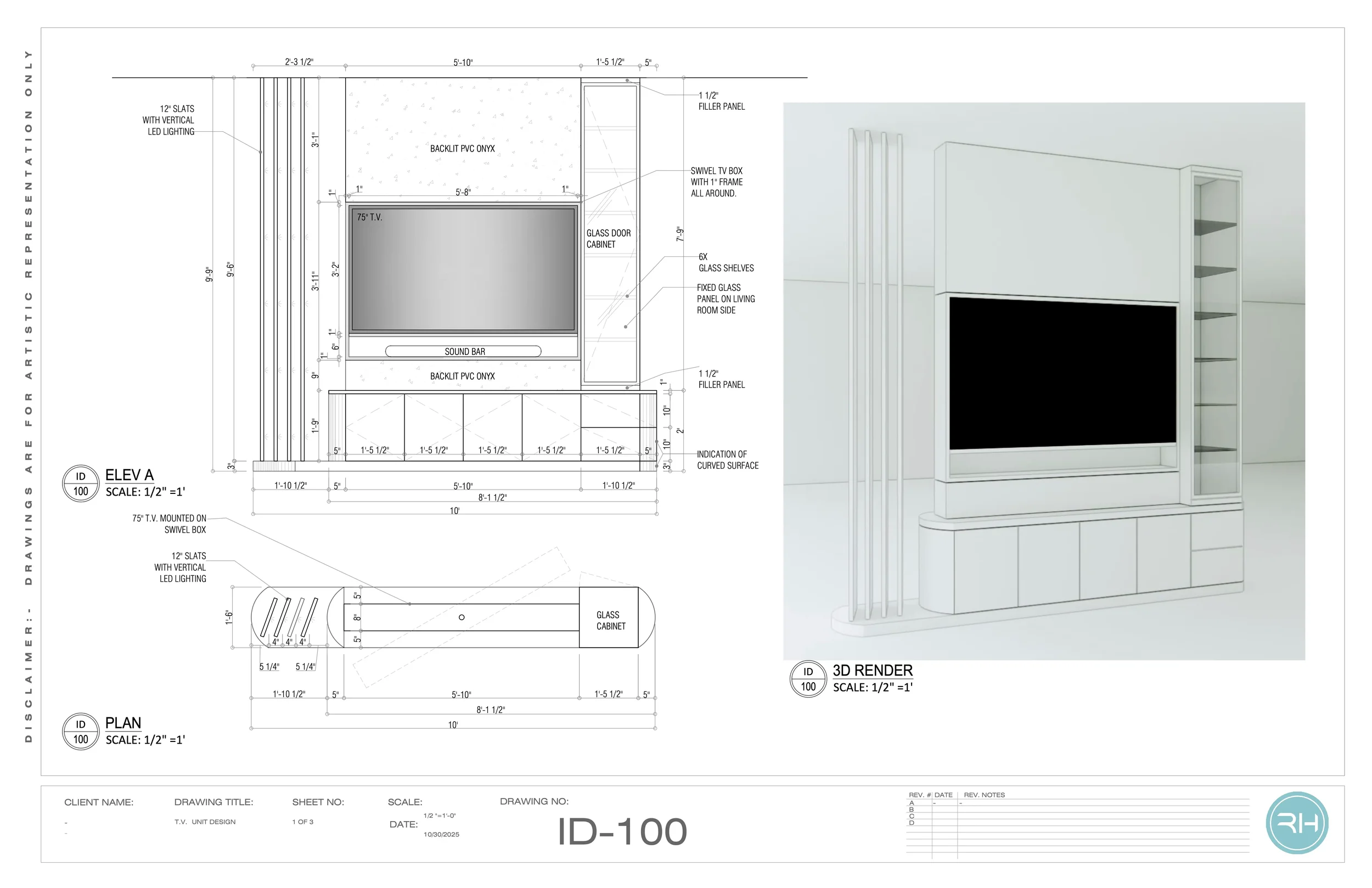
One of the biggest misconceptions in the industry is that drafting is simply drawing lines on a computer.
In reality, drafting requires a deep understanding of construction methods, building systems, dimensions, coordination, and documentation standards.
A beautiful design concept is only successful if it can be accurately communicated to the people responsible for building it.
Think of it this way:
Design creates the destination.
Drafting creates the roadmap.
Without design, there is no vision.
Without drafting, there is no clear path to execution.
Why Accurate Drawings Matter
In construction, precision matters.
Every drawing begins with accurate measurements. A floor plan serves as the foundation upon which all other drawings are built, including ceiling plans, lighting layouts, electrical plans, flooring layouts, and custom millwork details.
If the original measurements are inaccurate, every drawing that follows can be affected.
This is why I always emphasize the importance of field verification and accurate site measurements. You can learn more about this process in our article on the importance of taking measurements during an interior design project.
Even after construction drawings are issued, I recommend that contractors physically verify dimensions on site before fabrication or installation begins. If any discrepancies are identified, they should be communicated back to the design team so drawings can be updated accordingly.
This collaborative approach helps prevent costly mistakes, delays, and unnecessary rework.
How Design and Drafting Work Together
The most successful projects occur when design and drafting work hand in hand.
The designer develops the concept, establishes the client experience, and creates the overall vision.
The drafter translates that vision into clear instructions that contractors can follow confidently.
For example, a designer may envision a custom feature wall with integrated lighting.
The drafter must then determine:
Exact dimensions
Material transitions
Lighting locations
Mounting requirements
Construction details
Only when both disciplines work together can the concept be executed successfully.
When Do You Need Design Services?
You may need design services if:
You are planning a renovation or new build
You need help developing a concept
You are struggling with layout decisions
You want professional guidance on finishes and materials
You need assistance creating a cohesive aesthetic
Design services help establish the direction of the project before technical documentation begins.
When Do You Need Drafting Services?
You may need drafting services if:
You already have a design concept
You need construction documentation
You require permit drawings
You need millwork or custom cabinetry details
You are an architect, interior designer, or decorator looking for drafting support
You are a builder seeking accurate technical documentation
In many cases, clients come to us with inspiration images, Pinterest boards, sketches, or reference photos along with the dimensions of their space. They know what they want the finished result to look like but need help translating those ideas into professional construction drawings.
This is where the line between design and drafting often overlaps.
At Pure Coalesce, we provide both design and drafting services. Sometimes we develop a project from the initial concept stage, while other times we work with architects, decorators, builders, or homeowners who already have a vision and need technical documentation to bring it to life.
Whether we're creating a complete design solution or transforming an existing concept into detailed construction drawings, our goal is the same: ensuring the design can be accurately built and executed.
For firms looking to outsource drafting work, explore our drafting services to see how we support architects, designers, decorators, and builders with detailed construction documentation.
Why Many Professionals Outsource Drafting
As projects become increasingly complex, many architects and interior designers choose to outsource drafting so they can focus on design, client relationships, and project management.
Outsourced drafting provides:
Additional production capacity
Consistent documentation standards
Faster project delivery
Access to technical expertise
Improved efficiency during busy periods
Having worked on both sides of the process, I understand how important it is for design intent to be accurately reflected in construction drawings.
Final Thoughts
Design and drafting are often discussed as separate disciplines, but in reality they are closely connected.
Design is the creative process that shapes the vision for a space.
Drafting is the technical process that transforms that vision into construction ready documentation.
Neither is more important than the other. Successful projects require both.
After more than two decades working in residential and commercial interiors, I have seen firsthand that even the strongest design concepts can encounter challenges when documentation is unclear. Likewise, the most detailed drawings cannot compensate for a poorly considered design.
When design and drafting work together, projects move from concept to construction with greater clarity, efficiency, and confidence.
If you're planning a project or looking for drafting support, explore our services to learn how Pure Coalesce can help bring your ideas to life. We are happy to provide a free 30 minute consultation, Book now!
Frequently Asked Questions
Is CAD drafting the same as design?
No. Design focuses on developing the concept, functionality, and aesthetics of a space. CAD drafting focuses on creating the technical drawings required for construction.
Can a drafter also be a designer?
Yes. While design and drafting are distinct disciplines, many experienced professionals develop expertise in both.
Design focuses on problem solving, space planning, aesthetics, and user experience, while drafting focuses on translating those ideas into accurate construction documentation.
At Pure Coalesce, we regularly work across both disciplines. Depending on the project, we may develop the design concept, create the technical drawings, or provide both services as part of a seamless project workflow. This integrated approach helps ensure the original design intent is accurately carried through to construction.
Why are accurate measurements important in drafting?
Accurate measurements form the foundation of all construction drawings. Incorrect measurements can lead to fabrication errors, installation issues, delays, and additional costs.
Do builders need drafting services?
Yes. Builders rely on clear technical documentation to accurately price, coordinate, and construct a project.
Should interior designers outsource drafting?
Many interior designers outsource drafting to improve efficiency, increase production capacity, and focus more time on design development and client management.