
What’s the Difference Between Interior Designers and Decorators
Many clients use the terms interior designer and interior decorator interchangeably. While both professions contribute to beautiful spaces, their roles, training, and responsibilities are fundamentally different.
Understanding this difference is essential—especially when planning a renovation, new construction, or major spatial transformation.
With over 22 years of professional experience across Mumbai, Dubai, New Jersey, and Florida, I’ve seen firsthand how the right expertise at the right stage can transform not just how a space looks—but how it functions and feels.
What Does an Interior Designer Really Do?
Interior design goes far beyond choosing finishes or styling furniture.
At its core, interior design shapes how people experience their environment. There is a deep psychological dimension to spatial planning—how a space flows, how it feels, and how it supports daily life directly impacts mood, productivity, and emotional wellbeing.
A professional interior designer begins with how people live, not how a space looks.
That process typically includes:
Studying lifestyle patterns and daily routines
Creating efficient circulation paths
Designing spatial layouts that balance form and function
Planning kitchens, bathrooms, and storage systems
Coordinating lighting, electrical, and ceiling layouts
Designing millwork and custom cabinetry
Producing technical drawings used by contractors
Managing coordination across trades and specialists
Design decisions are made not only for beauty—but for performance, longevity, and usability.
The Technical Side of Interior Design Most People Don’t See
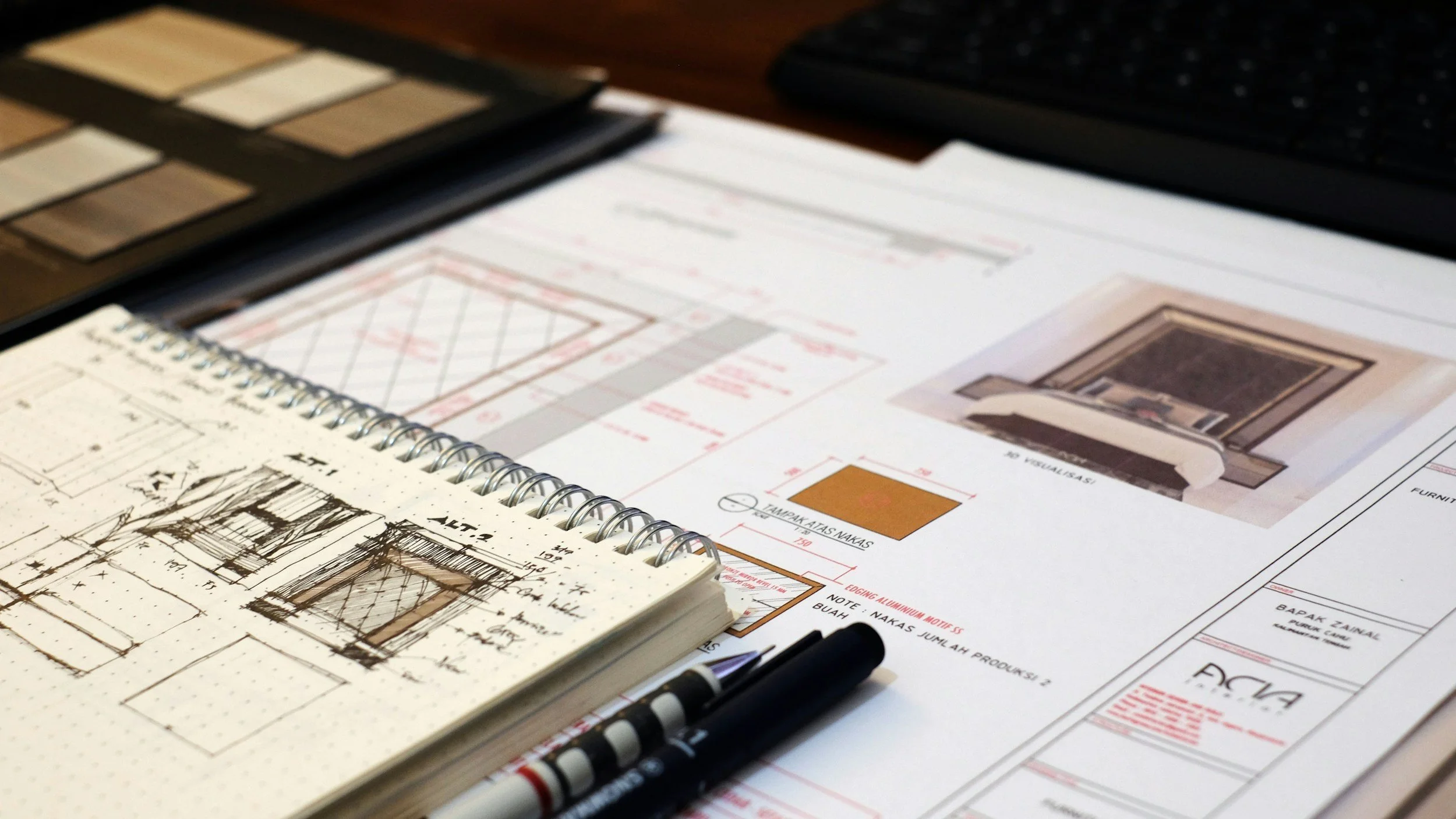
One of the biggest misconceptions is that design is purely visual. In reality, a significant portion of professional interior design involves technical planning.
Some of the specialized responsibilities I regularly manage include:
Reflected Ceiling Plans (RCPs) and Electrical Layouts
These define the placement of lighting, ceiling features, and electrical points—ensuring both aesthetics and function are aligned.
Coordination with HVAC Professionals
Lighting layouts, ceiling heights, and ventilation systems must work together. Poor coordination can lead to inefficiencies, awkward soffits, or compromised lighting quality.
Contractor Coordination and Documentation
Contractors rely on precise technical drawings to execute work correctly. These drawings ensure that every detail—from cabinetry dimensions to switch locations—is built as specified.
This technical layer is what separates design planning from surface styling.
What Does an Interior Decorator Do?
Interior decorators focus primarily on the visual and aesthetic aspects of a finished space.
They bring valuable expertise in:
Color selection
Furniture placement
Fabric and material coordination
Accessories and styling
Visual composition
Many decorators have an exceptional eye for detail and aesthetics, and some are widely respected within the industry for their creative work.
However, decorators typically rely on contractors, draftsmen, or designers when technical planning or structural coordination is required.
Interior Designer vs Decorator: The Key Difference
The most important distinction lies in technical capability and spatial planning.
An interior designer develops the foundation of the space, while a decorator enhances its visual presentation.
A useful way to understand this difference is through a simple analogy:
Interior design is like cooking a meal—balancing ingredients, techniques, and timing to create a complete experience. Interior decoration is like setting the table—presenting the finished meal beautifully.
Both are valuable—but they serve different purposes.
Case Study: Transforming a Kitchen in Paramus, New Jersey (2022)
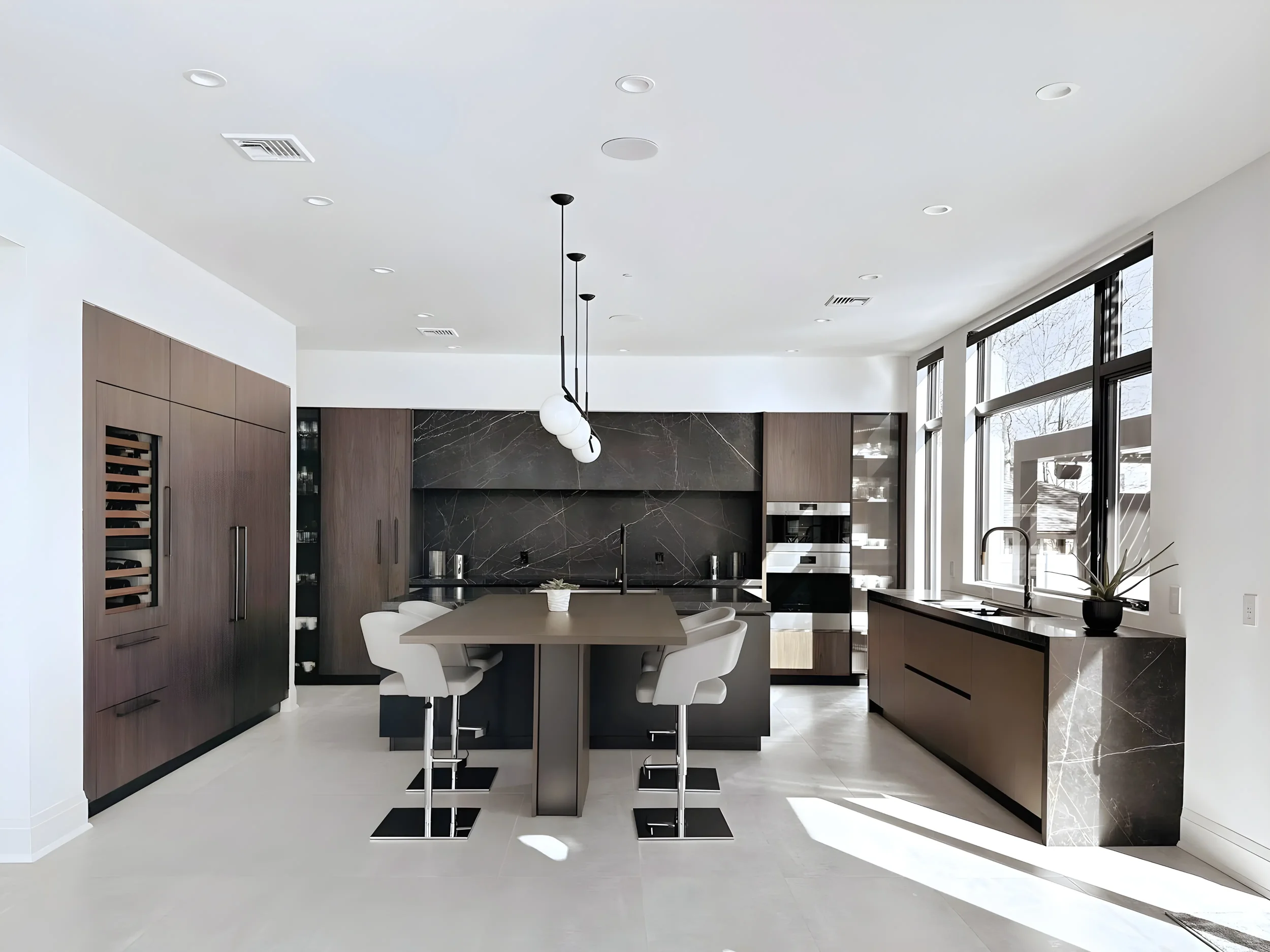
Kitchen Design- Paramus, New Jersey
One example that clearly demonstrates the role of interior design is a kitchen project completed in Paramus during a 2022 new construction project.
The Challenge
The original plan followed a conventional U-shaped kitchen layout—functional but visually predictable and lacking architectural impact.
The Design Intervention
Instead of maintaining a standard configuration, the layout was redesigned into a disconnected counter concept, introducing:
Improved spatial openness
Full-length windows overlooking the backyard
Increased natural light penetration
A more dynamic spatial experience
The Outcome
The transformation elevated the kitchen from a typical layout to a distinctive, light-filled space.
Storage capacity remained intact, while the added natural light brought life and visual depth into the environment—demonstrating how thoughtful planning enhances both functionality and atmosphere.
Commercial Case Study: Hotel Lobby Transformation in Bur Dubai
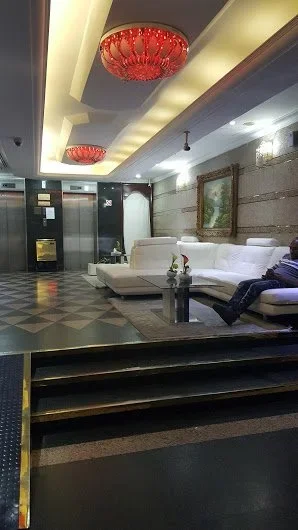
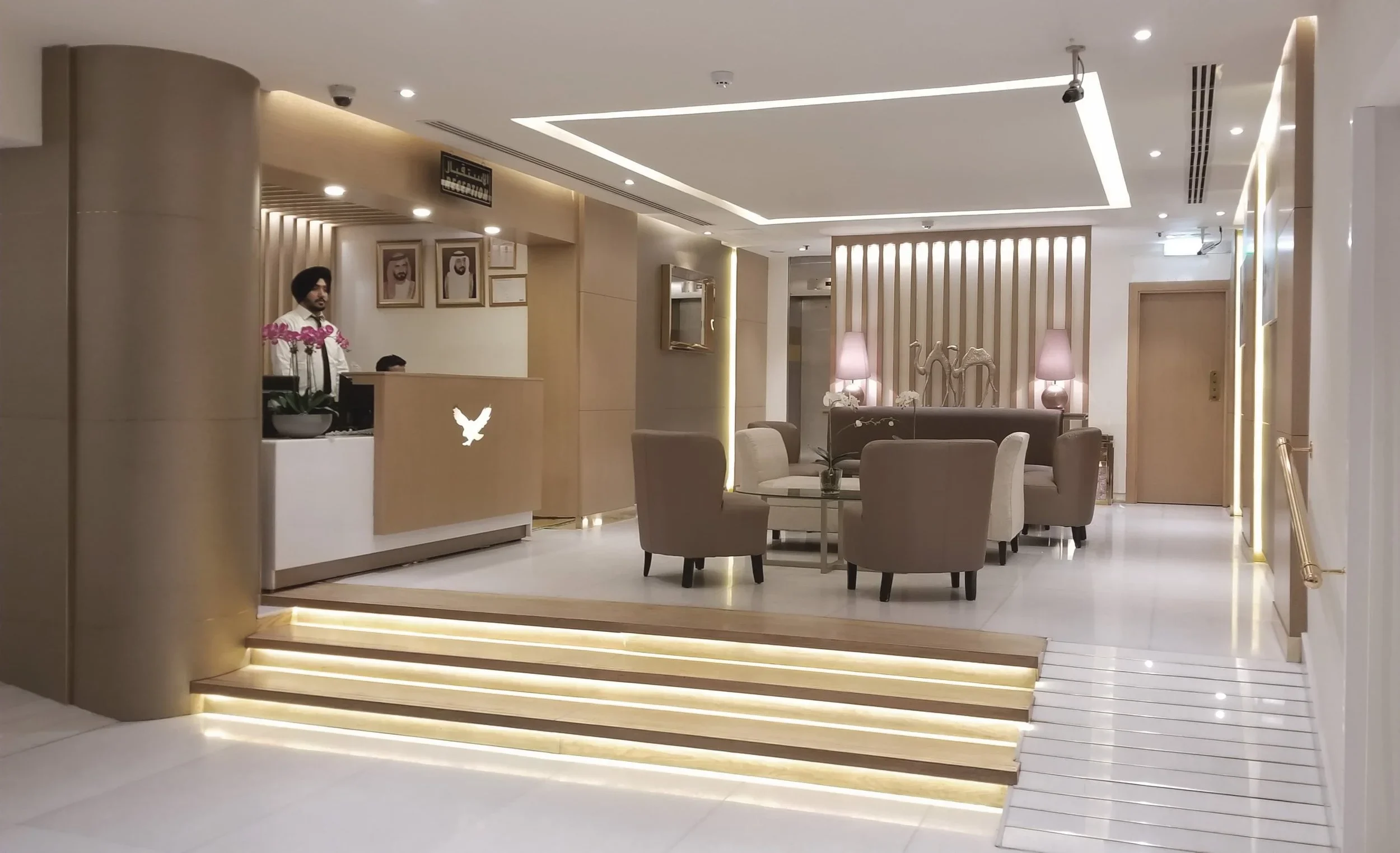
Interior design becomes even more critical in commercial environments, where space planning directly influences user experience.
In a hotel lobby renovation in Bur Dubai, the original layout lacked spatial organization and visual hierarchy.
The Challenge
Upon entering the lobby, elevator doors were directly in view, creating visual clutter and distracting from the guest arrival experience.
There was also no clear zoning for:
Guest arrival
Waiting
Social interaction
Refreshments
The Design Intervention
The space was reimagined to include:
A defined welcome zone
Comfortable waiting areas
A small coffee shop space
• A partition element that redirected attention away from elevator activity
The Outcome
The redesigned layout created a more welcoming and functional environment, improving guest flow while enhancing the visual identity of the lobby.
This project highlights how spatial planning—not decoration—defines the usability of commercial environments.
When Should You Hire an Interior Designer?

Hiring a designer is essential when technical planning or structural decisions are involved.
This includes:
Renovations
New construction
Kitchen and bathroom planning
Space reconfiguration
Lighting and electrical design
Custom cabinetry and millwork
Any project requiring technical drawings
In these situations, design decisions influence long-term functionality, safety, and efficiency.
If you're unsure whether your situation requires professional design support, you may find this guide helpful:5 Signs You Need to Hire an Interior Designer
When Is Hiring a Decorator the Right Choice?
Decorators are an excellent choice when the structure of the space is already established and the goal is visual enhancement.
This includes:
Refreshing interiors
Updating furniture and fabrics
Styling finished homes
Enhancing visual aesthetics
Creating cohesive color palettes
In these cases, the focus is presentation rather than spatial restructuring.
How Understanding This Difference Varies Globally
Having worked across multiple countries, I’ve observed clear differences in how clients approach interior design.
In cities such as Mumbai and Dubai, interior designers are widely recognized as essential participants in construction and renovation projects.
In contrast, the U.S. market includes a large number of successful decorators, and many clients initially approach decoration before realizing the need for technical planning.
Understanding when to involve a designer early can significantly improve project outcomes.
Questions to Ask Before Choosing a Designer or Decorator
If you’re unsure which professional you need, start with these questions:
Am I changing the layout of my space?
Will my project involve electrical, plumbing, or structural planning?
Do I need technical drawings for contractors?
If the answer to any of these is yes, an interior designer is likely the right choice.
Budget is often one of the biggest concerns—this detailed pricing guide explains typical design costs across different regions: How Much Does It Cost to Hire an Interior
Why Interior Design Is About More Than Aesthetics
Interior design shapes how people live, move, and feel within a space.
Beyond visual appeal, thoughtful spatial planning improves:
Comfort
Efficiency
Natural light quality
Circulation flow
Emotional wellbeing
A well-designed environment doesn’t just look beautiful—it supports everyday life in meaningful ways.
Your Professional Foundation Matters
Professional training plays a critical role in delivering technically sound design solutions.
My background includes:
Diploma in Interior Design
Certifications in AutoCAD, SketchUp, V-Ray, Photoshop, and Enscape
Residential Lighting Fundamentals from the New York School of Interior Design
Business and Design coursework from Pratt Institute
Combined with over two decades of hands-on practice across India, the UAE, and the United States, this foundation supports both creative and technical execution.
Final Thoughts: Design Builds the Experience, Decoration Enhances It
Both interior designers and decorators contribute to creating beautiful spaces—but they operate at different stages of the process.
Interior design builds the structure of experience—how a space functions, flows, and supports life.
Interior decoration refines the presentation—how that space feels visually complete.
Understanding this difference helps ensure that the right expertise is brought in at the right time—leading to better results, fewer mistakes, and spaces that truly support the people who live and work within them.
Interior Designer vs Decorator: Frequently Asked Questions
Introduction
Choosing between an interior designer and decorator can feel confusing, especially when the terms are often used interchangeably. These frequently asked questions clarify the differences and help you decide which professional is best suited for your project.
Can an interior decorator renovate my home?
Interior decorators typically focus on visual styling rather than structural or technical work.
If your project involves layout changes, electrical planning, plumbing adjustments, or built-in cabinetry, an interior designer is the more appropriate professional. Renovation projects require technical drawings and coordination with contractors—services that are part of a designer’s scope.
Do interior designers only work on large projects?
No. Interior designers work on projects of varying sizes—from single-room renovations to complete homes and commercial spaces.
What determines the need for a designer is not the size of the project, but whether technical planning or spatial changes are involved.
Is hiring an interior designer more expensive than hiring a decorator?
Not necessarily.
While designers may appear to have higher upfront fees, their technical planning often prevents costly mistakes during construction. Proper layouts, clear documentation, and coordinated drawings can reduce delays, rework, and unexpected expenses.
For a detailed breakdown of pricing structures, refer to the related guide on interior design costs.
When is a decorator the right choice?
A decorator is ideal when:
The layout is already complete
No structural or electrical changes are needed
The goal is visual enhancement
Furniture and styling are the main focus
Decorators bring strong aesthetic skills that elevate finished interiors.
Can I hire both a designer and decorator?
Yes—and many projects benefit from this collaboration.
An interior designer typically develops the layout, technical drawings, and functional planning. A decorator may later assist with styling elements such as fabrics, furnishings, and accessories.
How early should I hire an interior designer?
The earlier, the better.
Ideally, designers should be involved during the planning or construction stage. Early involvement allows layouts, lighting, and storage to be integrated seamlessly into the architecture.
Late-stage involvement often limits possibilities and increases costs.
What qualifications do interior designers typically have?
Professional interior designers often hold formal education in interior design and are trained in:
Technical drawing
Spatial planning
Lighting design
Material selection
Construction coordination
Many also hold certifications in design software and specialized fields such as lighting design.
What’s the simplest way to explain the difference?
Interior design creates the structure of a space—how it functions and flows.
Interior decoration enhances the appearance of that space—how it looks and feels visually.
If you would like to hear more about our design process and see if we are the right fit for your project, lets get in touch!