
How Much Does It Cost to Hire an Interior Designer in Dubai?
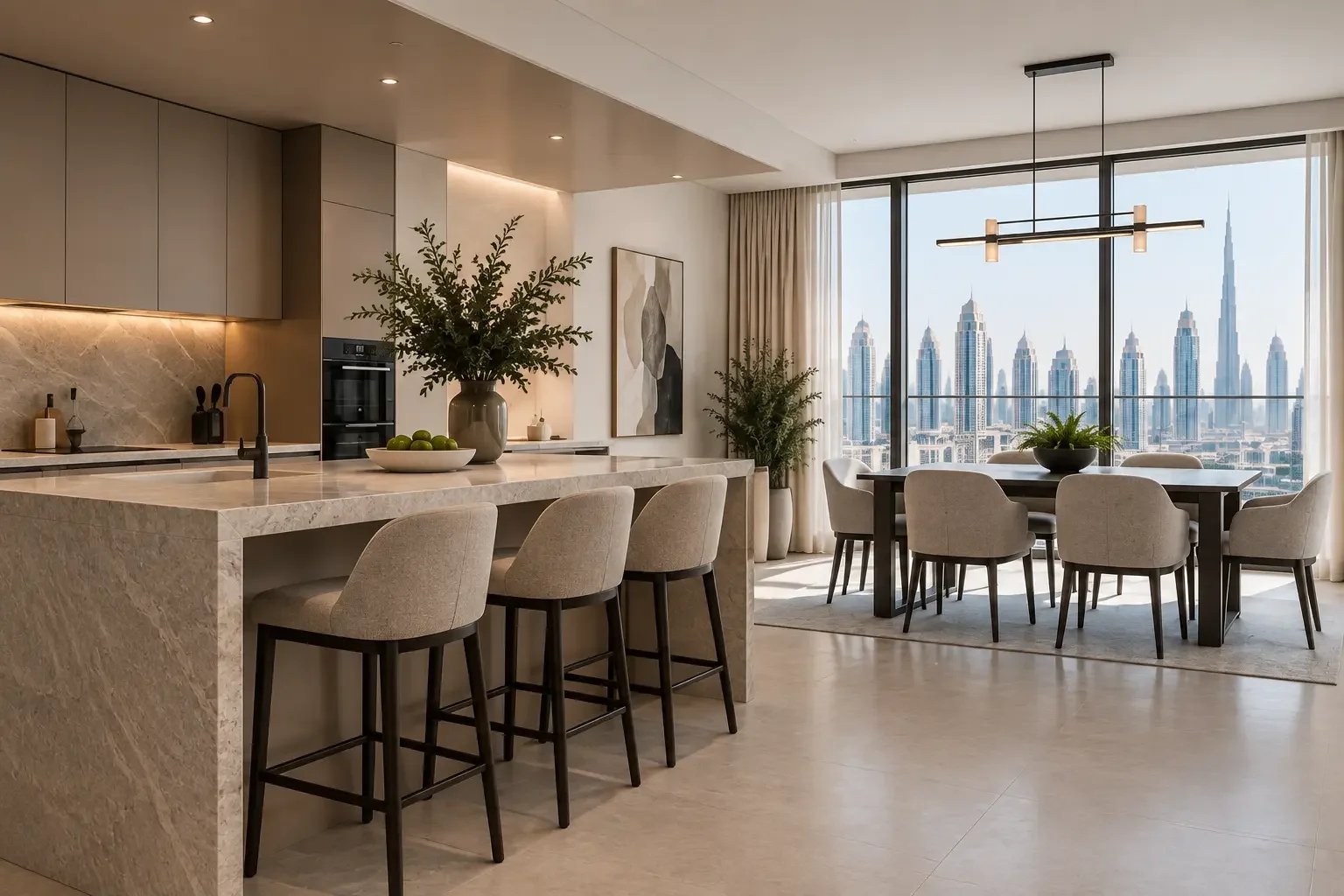
If you're estimating the cost to hire an interior designer in Dubai for apartment renovation work, you'll quickly find that quotes vary widely, and rarely come with an explanation. One firm quotes AED 80,000 for a 2-bedroom apartment; another quotes AED 250,000 for what looks like the same scope. Neither breaks down where that number actually comes from. These figures are illustrative of a pattern that many Dubai homeowners encounter when gathering early proposals.
That gap between expectation and reality is where renovation budgets collapse. The confusion rarely stems from the designer's fee itself. It comes from not understanding what that fee covers, what it doesn't, and how it sits alongside contractor costs, materials, and the line items no one mentions until the invoice arrives. At Pure Coalesce, first consultations consistently reveal the same disconnect: clients arrive with a rough number in mind but no clear sense of how it should be divided across design fees, contractor costs, and furnishings. That disconnect is fixable, and this guide is where we start.
By the end of this article, you'll understand the four fee structures Dubai designers commonly use, what each one covers, indicative budgets for apartments ranging from 1-bedroom to 3-bedroom across different finish tiers, and a short checklist for hiring without getting burned.
The Fee Structures Interior Designers in Dubai Actually Use
Before you can evaluate a quote, you need to understand the pricing model behind it. Dubai interior designers commonly use several fee structures, with percentage-based fees, fixed fees, hourly rates, and per-sqm pricing among the most common approaches. A single studio may offer more than one depending on project scope. Knowing which model applies to your project tells you immediately whether you're comparing apples to apples when reviewing proposals.
Percentage of Total Project Cost: A Common Basis for Interior Design Fees in Dubai
Percentage-based fees are widely used for full-service and higher-specification projects in Dubai, with some studios charging around 10 to 20% of the project value. Some studios split this further: 8 to 10% for design and documentation, and another 8 to 10% for project management and site coordination. On an AED 500,000 renovation, a 10 to 15% design fee would translate to AED 50,000 to 75,000 in design fees alone, which is exactly why clients are often surprised when they receive their first proposal without this context. The percentage model works well for complex, multi-phase projects where the designer's role extends through procurement and contractor management all the way to handover.
Flat Fees, Hourly Rates, and Per-Sqm Pricing
Flat fees for full apartment projects in Dubai can vary substantially depending on scope, apartment size, and the studio's experience level. This model offers the most predictability for clients, since the fee is defined upfront regardless of how many hours the project ultimately requires.
Hourly rates also vary considerably according to the designer's experience, project scope, and studio. This structure can suit consultation-only engagements or smaller, defined scopes like a single-room redesign. Per-sqm design fees are another pricing approach, particularly common in larger or commercial projects, although some studios also apply them to residential work. Dubai's premium market can push interior design fees toward the upper end of these models, particularly when the project involves bespoke detailing, premium materials, extensive documentation, or procurement.
What Interior Design Fees Cover, and What They Don't
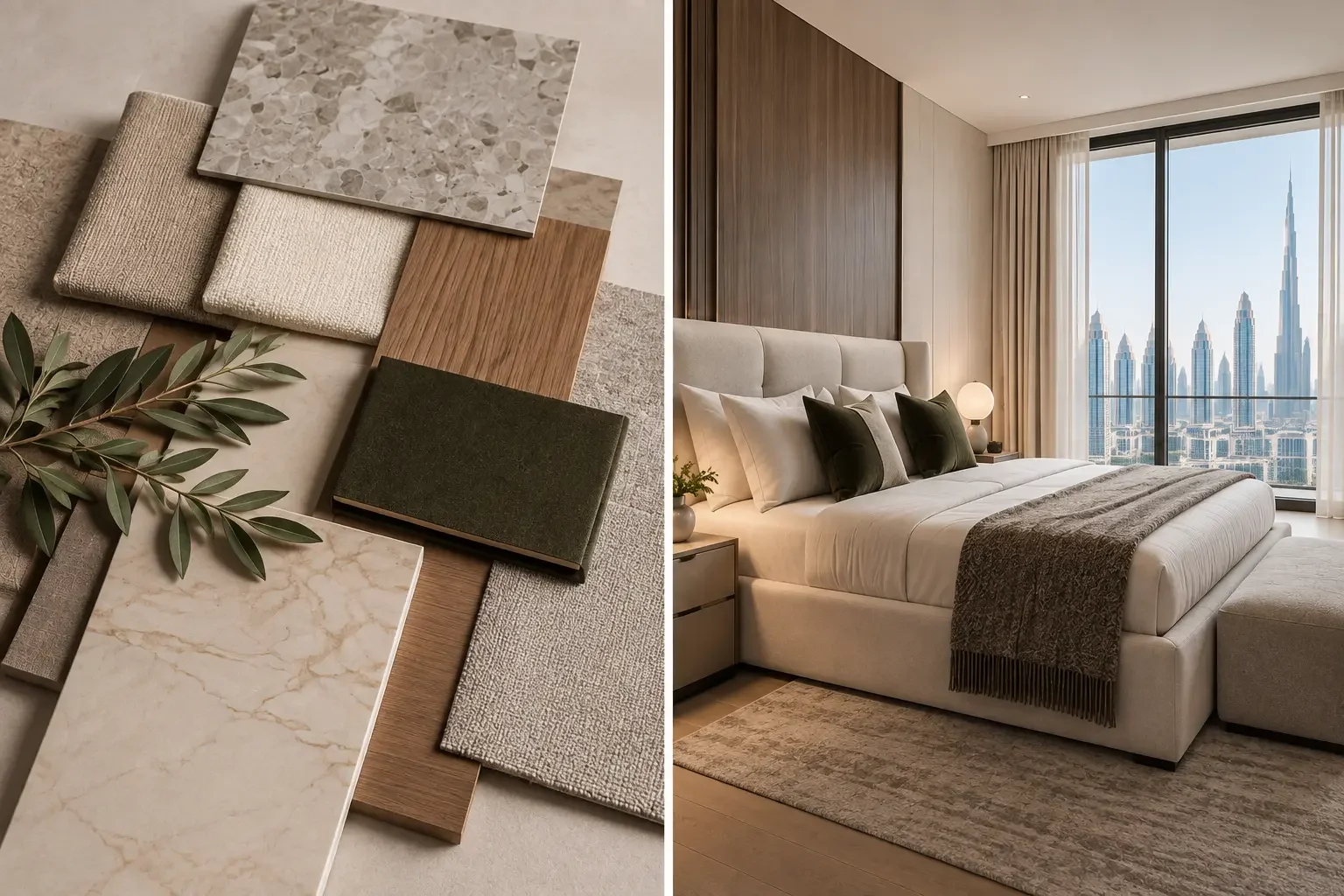
Most renovation disputes in Dubai trace back to one source: the client assumed something was included, and the designer assumed it wasn't. Getting this clarity before contracts are signed is what separates projects that finish on budget from those that end with a strained client-designer relationship.
Standard Deliverables Included in the Design Fee
A comprehensive design fee in Dubai typically covers concept development, space planning, material and finish selection, 3D visualizations, technical construction drawings, lighting design, and site coordination during the build phase. Turnkey packages may add procurement and contractor management on top of these deliverables, essentially handing the client a finished space without the operational burden of managing multiple vendors.
At Pure Coalesce, each project phase is documented with defined deliverables and client sign-off milestones, removing ambiguity about what has been approved and what comes next. That structure is what prevents scope creep before it starts.
Costs That Usually Fall Outside the Design Fee
Standard exclusions that may surprise clients include:
Styling and Accessorizing
5% VAT on taxable goods and services where applicable
Government permit fees and municipality approvals
Contingency costs when structural or other unforeseen issues surface behind walls
Permit and approval costs can also vary depending on the building, developer, scope of work, and type of renovation, so they should be confirmed for the specific property rather than treated as a fixed city-wide cost.
Cost to Hire an Interior Designer in Dubai: Apartment Renovation Budgets by Size
The numbers below reflect indicative 2026 Dubai planning ranges across three apartment sizes and different finish tiers. They're designed to give you a realistic planning baseline, not a guarantee. Every project carries its own variables, but these ranges can help you understand the scale of investment involved.
For additional tips on building a realistic budget and allocating your renovation costs, see our Interior Design Budget Guide: Plan Smart, Pure Coalesce.
Cost to Hire an Interior Designer in Dubai: 1-Bedroom Benchmark
A studio or 1-bedroom apartment, roughly 37 to 56 sqm, renovated to a mid-range finish can typically require an overall budget of around AED 80,000 to 120,000, with design fees accounting for approximately AED 10,000 to 20,000 depending on the scope.
Budget-tier work covering paint, flooring refresh, and minor upgrades may start from around AED 540 to 860 per sqm. Luxury finishes, custom joinery, and smart home integration can push total costs past AED 200,000 for the same footprint, particularly when imported materials or bespoke kitchen work are involved.
2-Bedroom and 3-Bedroom Cost Ranges Across Finish Tiers
A mid-range 2-bedroom apartment, roughly 84 to 111 sqm, may require an overall budget of around AED 150,000 to 250,000, with design and project management fees potentially accounting for AED 30,000 to 50,000 depending on the scope. Some market sources cite lower ranges for apartments of this size, with the variation largely driven by scope depth, fit-out specification, and the studio's procurement involvement.
Luxury finishes on the same apartment size can push the overall project into the AED 250,000 to 400,000 range.
For 3-bedroom apartments at mid-range finish, roughly 130 to 167 sqm, an overall budget of AED 250,000 to 500,000 can be a useful planning range. Luxury 3-bedroom projects can exceed AED 500,000 to 800,000 once bespoke joinery, premium stone, and full FF&E procurement are factored in.
One number that belongs in every renovation budget regardless of size is a contingency reserve. A 10 to 15% allowance can be appropriate for a straightforward renovation, while older properties or projects with greater uncertainty may warrant a contingency closer to 20 to 25%. Renovations can uncover outdated plumbing, deteriorated MEP systems, waterproofing problems, or other conditions that weren't visible at the quotation stage. Building an appropriate buffer into the budget from the start provides much greater financial protection.
The Factors That Affect Interior Design and Renovation Costs in Dubai
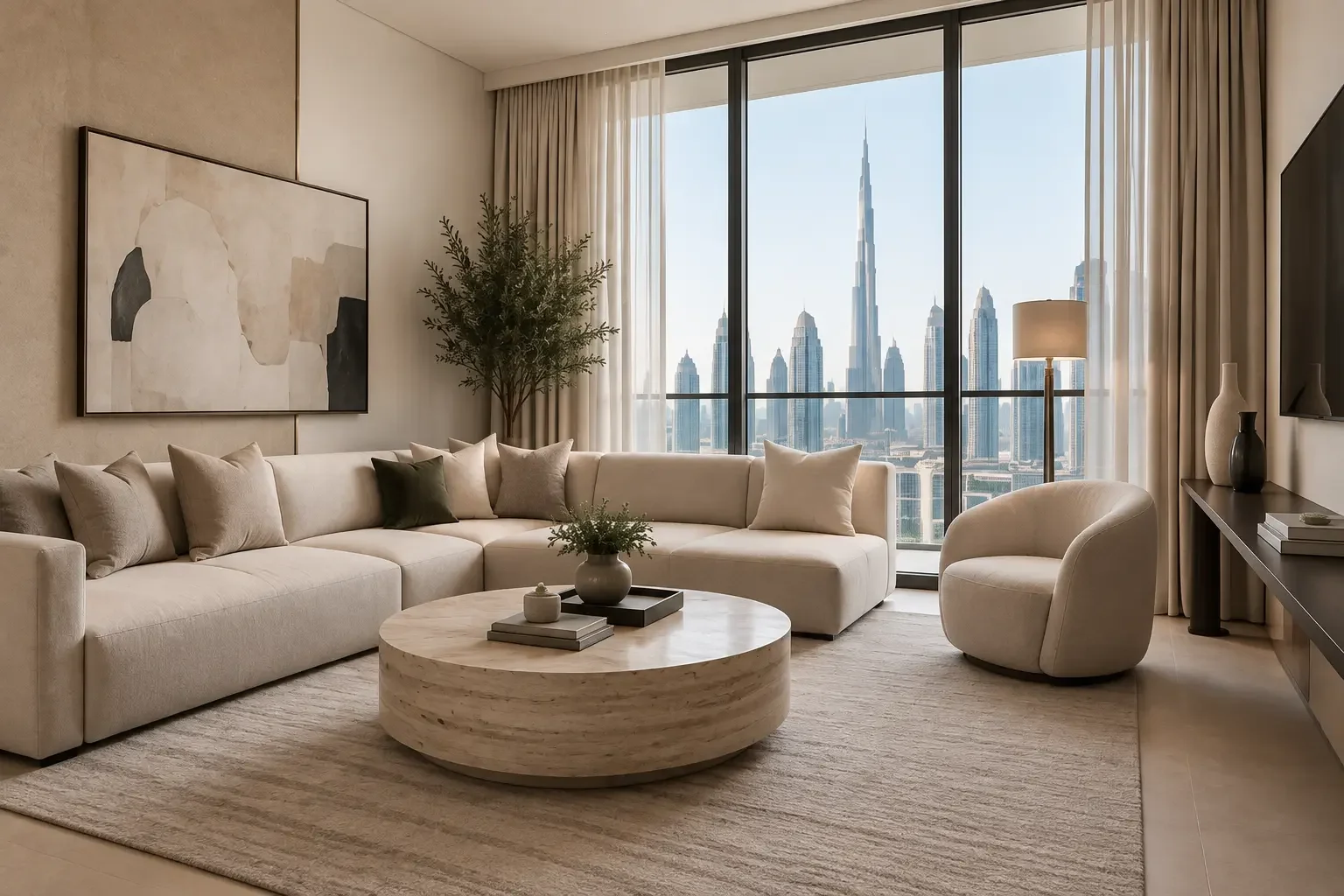
Two quotes for identical apartments in Dubai can differ substantially, sometimes by tens of thousands of dirhams. That gap isn't random. It comes from specific, identifiable variables that any designer should be able to explain clearly when presenting a proposal.
Finishes, Custom Work, and Structural Changes
The single biggest cost driver is finish level. Ceramic tile flooring can range from approximately AED 50 to 150 per sqm; engineered wood from around AED 150 to 300 per sqm; and marble can start at around AED 300 per sqm and increase substantially depending on origin, quality, and rarity.
Custom joinery, bespoke kitchens, and smart home integration compound quickly because each involves both materials and extended labor. Structural changes, such as removing a load-bearing wall, relocating a bathroom, or reconfiguring an open-plan layout, can add permit costs, structural engineer fees, and significant contractor time on top of the base scope.
Location Within Dubai and Contractor Quality
Fit-out costs can differ across Dubai. Projects in Palm Jumeirah, Downtown Dubai, and DIFC may carry higher contractor rates than projects in areas such as JVC, Dubai Silicon Oasis, or Motor City. Building management requirements, access restrictions, logistics, working hours, and the level of specification can all contribute to these differences.
Contractor quality matters just as much as location. An under qualified contractor who underquotes and overruns can cost more in total than a premium contractor who delivers on schedule and within scope. A designer with strong, vetted contractor relationships built over repeated projects can provide a direct layer of budget protection. That network doesn't happen overnight, and it's one of the less visible but most valuable things an experienced studio brings to your project.
How to Hire an Interior Designer in Dubai and Keep Your Budget Intact
The decision to hire an interior designer is straightforward once you've done a renovation without one. The harder part is knowing what to look for before you sign, and understanding which questions separate well-structured studios from those that look polished in a presentation but struggle in execution.
If you're still wondering whether to engage a designer at all, read our guide Do I Need an Interior Designer for Renovation?, Pure Coalesce for a clear checklist that helps decide when professional design adds value versus when a self-managed approach can work.
The Right Questions to Ask Before You Sign
Request a written scope of services with milestone-based deliverables before any contract is signed. Confirm whether the design fee is fixed or subject to additions if the scope expands. Clarify whether furniture procurement is included or billed separately and whether any procurement markup applies.
Ask for VAT-inclusive pricing upfront where applicable so the number you're approving reflects what you'll actually pay. Request references or case studies from projects of similar size, finish level, and building type. A studio that can't provide these specifics is telling you something important about how they'll manage your project.
How a Structured Design Process Protects Your Budget
The studios that consistently deliver within budget share one characteristic: a documented, phase-driven process where nothing advances without client sign-off.
Pure Coalesce structures every project this way, from the initial design consultation through concept development, technical documentation, procurement, and site coordination. Each phase has defined deliverables, and the client approves before costs move forward. That structure functions as financial protection, not administrative overhead.
Scope creep is almost always the result of undefined expectations, and a studio that documents rigorously removes the grey zones where budget overruns hide.
Putting It All Together Before Your First Conversation
The cost of hiring an interior designer in Dubai for an apartment renovation is manageable once you understand what actually drives it. Interior design fees typically run around 10 to 20% of project value for percentage-based fee structures, although the exact fee depends on the studio, project scope, and level of involvement.
Mid-range 2-bedroom renovations can fall within the AED 150,000 to 250,000 planning range, while larger or more highly specified projects can cost considerably more. The biggest risks aren't the designer's fee itself. They're hidden exclusions, unverified contractors, unforeseen site conditions, and projects that start without a clearly documented scope.
The framework is now in place: the fee structures, the size-by-size benchmarks, the renovation cost per sqm in Dubai, and the questions to ask. The next step is a conversation with a designer who can apply those numbers to your specific apartment, your finish preferences, and the way you actually live or work in the space.
Pure Coalesce offers initial consultations structured to give clients clarity around their project scope, design requirements, and potential investment before moving into the design process. Knowing your number, and knowing how it's constructed, is where a well-executed renovation begins.
Frequently Asked Questions About Interior Design Costs in Dubai
How much does an interior designer cost in Dubai?
Interior designer fees in Dubai vary according to the designer, project size, scope, and level of involvement. Percentage-based fees can commonly fall around 10 to 20% of project value, while some designers charge a fixed fee or hourly rate. Full-service and turnkey studios may incorporate the design fee into an overall project cost.
How much does it cost to renovate a 2-bedroom apartment in Dubai?
A mid-range 2-bedroom apartment renovation can require an overall budget of approximately AED 150,000 to 250,000, although the final cost depends heavily on the size of the apartment, finishes, joinery, kitchen and bathroom work, furniture, contractor, and building requirements. Luxury renovations can exceed AED 250,000.
Is the interior designer's fee included in renovation costs?
Not always. Some designers charge a separate design fee, while others incorporate design into a turnkey or all-in project price. Always ask for a clear breakdown showing what is included in the designer's fee and what is charged separately.
What is usually included in an interior design fee?
Depending on the studio and scope, an interior design fee may include concept development, space planning, material and finish selections, 3D visualizations, technical drawings, lighting design, procurement support, and site coordination. The exact deliverables should be defined in writing before the project begins.
Do I need a contingency budget for an apartment renovation in Dubai?
Yes. A contingency is particularly important when renovation involves demolition or work in an older property. Around 10 to 15% may be appropriate for a straightforward renovation, while older or more uncertain properties may warrant 20 to 25% or more. The appropriate allowance depends on the condition of the property and how much of the existing structure and services are being altered.
Does VAT apply to interior design services in Dubai?
UAE VAT is generally charged at 5% on taxable goods and services, subject to the applicable VAT rules and exemptions. If your designer or contractor is VAT registered and the service is taxable, ask whether the quoted price is inclusive or exclusive of VAT so you understand the actual amount payable.
How can I compare interior design quotes in Dubai?
Don't compare the final numbers alone. Compare the scope of services, number of design revisions, drawings and documentation provided, 3D visualizations, site visits, procurement responsibilities, project management, exclusions, VAT, and payment milestones. Two quotes can have very different values even when the headline prices appear similar.
Is it cheaper to hire an interior designer or manage a renovation yourself?
Managing a renovation yourself may reduce the upfront professional fee, but it also means taking responsibility for design decisions, documentation, contractor coordination, procurement, scheduling, and problem solving. An experienced interior designer can help reduce costly mistakes, coordinate different trades, and establish a clear process from design through execution.
When should I hire an interior designer for a Dubai renovation?
Ideally, before you begin demolition or commit to major purchases. Bringing a designer in during the planning stage allows the layout, finishes, technical requirements, budget, and scope to be coordinated before work begins. This can help reduce changes and unexpected costs later in the project.