
After 22 years of transforming spaces across three continents, I've seen countless homeowners struggle with the same question: when is it time to bring in professional design help?
The answer becomes clear when you're drowning in renovation decisions, struggling with spaces that don't flow together, or feeling pressured by contractors who seem more focused on their timeline than your vision.
Here are five unmistakable signs that it's time to stop struggling alone and invest in professional design expertise.
Sign #1: You're Drowning in Design Decisions

That stack of tile samples on your kitchen counter? The Pinterest board with 247 pins that all look different? The sleepless nights wondering if your bath tiles will clash with your flooring? This is decision fatigue, and it's real.
When you're facing a full renovation—especially one involving layout changes, electrical work, and multiple finishes—the sheer volume of choices becomes paralyzing. Every decision impacts three others, and suddenly you're second-guessing selections you felt confident about last week.
I recently worked with a young couple renovating a semi-classical villa. They wanted a contemporary look but felt overwhelmed by where to start. Instead of tackling everything at once, we created a systematic approach.
We focused on the biggest visual impact areas first: ceiling, floors, and walls. We redesigned the false ceiling with clean lines and integrated lighting. Arched doorways became squared-off openings with subtle curves only where necessary. White porcelain flooring created a consistent foundation, while soft beige walls and strategic textured wallpaper added depth without chaos.
This methodical process is what separates professional design from DIY attempts. When you're coordinating multiple trades, having a clear roadmap prevents costly mistakes and ensures every element works together.
The bottom line: If you've changed your mind about the same finish three times, or if you're losing sleep over whether your choices will work together, professional guidance will save both your sanity and your budget.
Sign #2: Your Rooms Feel Like Strangers to Each Other
Beautiful individual rooms don't automatically create a beautiful home. I see this constantly—gorgeous hardwood floors that fight with the cabinet undertones, stunning light fixtures that overwhelm the space, or rooms so disconnected they feel like different houses.
Pinterest inspiration works for single rooms, but it falls apart when you need cohesion across an entire home. That's because true design harmony involves understanding color theory, proportion, scale, and how materials interact with light throughout the day.
Contractors excel at installation, but they can't replace a designer's eye for how finishes work together. They'll install whatever you specify, but they won't catch that your backsplash will clash with your countertops under morning light.
I evaluate spaces by looking for visual narrative—how your eye moves from room to room, whether the transitions feel natural, and if each space supports its function while contributing to the whole.
Red flags to watch for: Rooms that feel disconnected, finishes that looked perfect in the showroom but clash in your space, or areas you avoid decorating because nothing seems to work.
The goal isn't matching everything—it's creating a story that flows naturally while letting each room shine.
Sign #3: Your Layout Fights Your Lifestyle
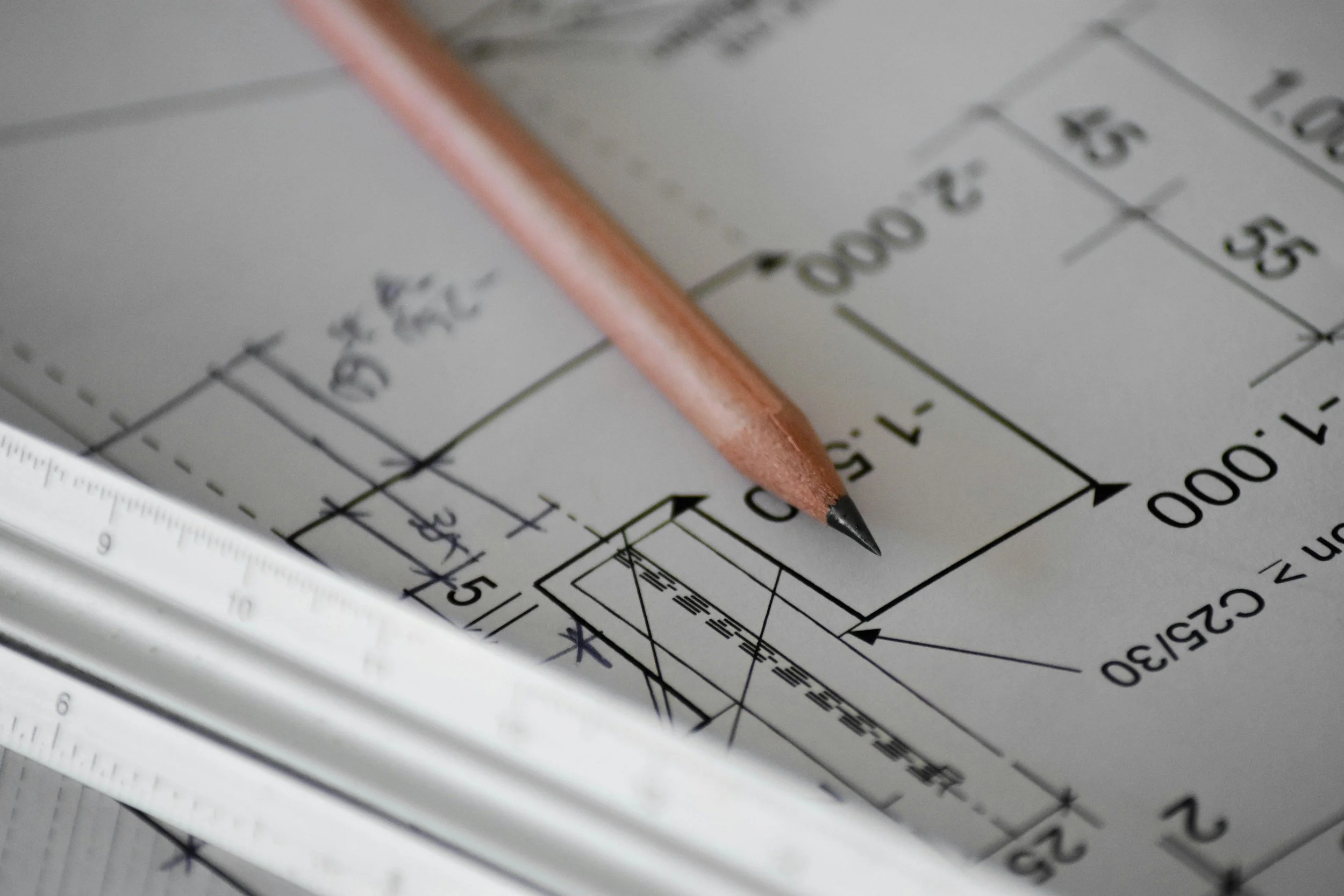
Layout mistakes hurt daily. They're also among the most expensive problems to fix after construction, yet I constantly see spaces designed without considering how people actually live.
Your home should enhance your routines, not hinder them. Poor work triangles in kitchens, living rooms where conversation feels forced, bedrooms where the bed blocks natural light—these aren't minor inconveniences. They're daily frustrations that compound over time.
During consultations, I watch how clients move through their existing spaces. Often, they've adapted to inefficient layouts without realizing their daily annoyances stem from poor planning, not insufficient space.
Are you constantly rearranging furniture for different activities? Do guests choose uncomfortable seating because it feels more conversational? These signal layout issues that professional space planning can solve.
Professional designers assess your lifestyle first, then plan accordingly. We consider morning routines, entertaining patterns, work-from-home needs, and family dynamics before drawing a single line.
The investment payoff: When your layout supports your lifestyle seamlessly, you'll wonder how you tolerated the previous setup. Better yet, fixing layout issues during design costs a fraction of renovating completed spaces.
Sign #4: Contractors Are Driving the Design Bus

Feeling pressured to make quick decisions about expensive finishes? Contractors suggesting "equivalent" substitutions without explaining the implications? This usually means crucial design documentation is missing from your project.
Contractors who pressure clients often lack comprehensive project vision. Without proper drawings and specifications, they're essentially improvising with your money.
Professional designers create detailed documentation that serves as a roadmap for contractors. These documents eliminate guesswork, reduce change orders, and keep projects on track. More importantly, they ensure your vision stays intact throughout construction.
Designers also coordinate between trades while protecting your interests. We manage timing, resolve conflicts between different contractors' requirements, and maintain quality standards throughout the process.
Without this oversight, contractors might prioritize their workflow over your design goals. They'll push for readily available materials over specified ones, or rush decisions to maintain their schedule rather than ensuring optimal results.
The reality: When contractors are making design decisions, you're not getting the space you envisioned—you're getting whatever's convenient for them.
A designer translates your vision into clear specifications that contractors can follow confidently, eliminating pressure and uncertainty.
Sign #5: You Want Results That Last, Not Just Instagram Moments
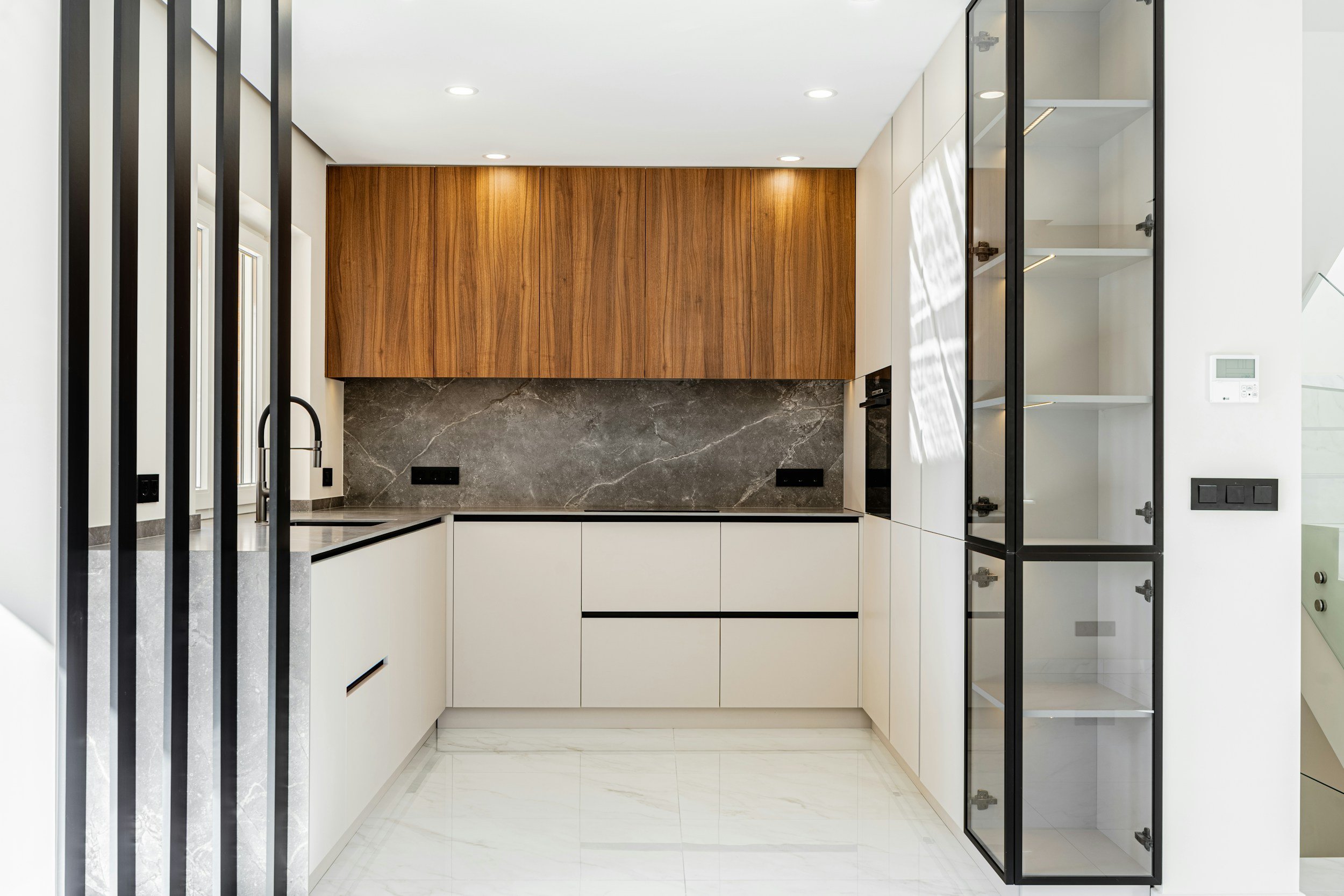
Professional design goes far beyond creating pretty rooms. It's about technical expertise, industry access, and long-term value that DIY approaches simply can't match.
Trade-only vendors offer materials and furnishings unavailable to the general public. Professional pricing often partially offsets design fees through savings on high-quality products. But the real value lies in technical knowledge and execution.
Professional designers provide detailed drawings and specifications that prevent costly mistakes. We understand how to coordinate complex systems, and plan for how spaces will function over time.
Technology has revolutionized our ability to visualize projects. 3D rendering and AI tools let clients see their space before committing to expensive changes. These visualization tools eliminate guesswork and allow adjustments during planning rather than construction.
The long-term value extends beyond project completion. Well-designed spaces maintain their functionality and appeal longer, potentially increasing property value while reducing future renovation needs.
According to the National Association of Realtors, professionally designed renovations typically recover 70-80% of their investment in increased home value, compared to 50-60% for DIY projects.
Professional results include: Proper space planning, code compliance, coordinated systems, and finishes that work harmoniously over time. These outcomes require training, experience, and industry connections developed over years of professional practice.
Red Flags When Hiring a Designer
Not all designers offer the same expertise or service quality. Ask about experience with projects similar to yours in scope and style. Request portfolios showing completed projects, not just inspiration images.
Warning signs include:
- No proper references or professional insurance
- Reluctance to discuss their design process in detail
- Pushing specific vendors without explaining why
- Lack of formal education, certifications, or professional memberships
- Vague contract terms or project timelines
- Poor listening skills or jumping to solutions before understanding your needs
Communication style matters enormously. During initial consultations, assess whether the designer asks thoughtful questions about your lifestyle and preferences. Those who immediately suggest solutions before understanding requirements may not be ideal partners.
Trust your instincts about compatibility. Even highly skilled designers may not fit if communication feels forced or their aesthetic seems incompatible with your vision.
Transform Your Space the Right Way
Recognizing these signs in your current project? Don't wait until problems become expensive mistakes. Professional design expertise transforms spaces efficiently while protecting your investment.
Hiring an interior designer often feels like a luxury, but for complex renovations or when experiencing the warning signs above, professional help becomes essential rather than optional.
The difference between struggling through a renovation and enjoying the process often comes down to having the right expertise on your team.
Ready to discuss your project? Contact us to schedule a consultation where we can assess your specific needs and explain how our systematic approach eliminates the stress and uncertainty of managing complex design projects.
Your space deserves professional attention. More importantly, you deserve to enjoy creating it.